Transforming your garden into a welcoming haven for birds not only enhances its beauty but also supports local wildlife. By incorporating simple DIY features, you can provide essential resources like food, water, and shelter, attracting a variety of bird species to your outdoor space. In this article, we’ll explore creative and practical ways to make your garden a bird-friendly paradise.
Versatile platform feeders welcome diverse bird species and are easily crafted from spare wood.
Platform feeders are simple to build using spare wood and allow multiple bird species, from sparrows to cardinals, to feed easily. Place them at different heights to attract various birds. Unlike tube feeders, platform feeders accommodate larger birds and allow for spreading a mix of seeds. Discover platform feeder carpentry tips at audubon.org.
A serene backyard scene featuring a bird bath with birds drinking water, surrounded by lush greenery. | Photo by Mark Thomas on Pexels
A bird bath is essential, especially in hot weather. DIY with a shallow dish and add pebbles for safe footing and easy access, attracting both songbirds and pollinators. Compared to deep bowls, the shallow design reduces drowning risks. The National Wildlife Federation explains bird bath best practices (nwf.org).
A vibrant garden featuring native plants like honeysuckle and coneflower, attracting a variety of garden birds. | Photo by suellen baker on Pexels
Planting a patch of native shrubs and flowers draws in local bird species for food and shelter. Native plants often support local insects, which are a vital protein source for many birds. Compared to ornamental species, which typically attract fewer birds, native plants provide essential resources. Learn more about native plant choices from the Audubon Native Plants Database (audubon.org).
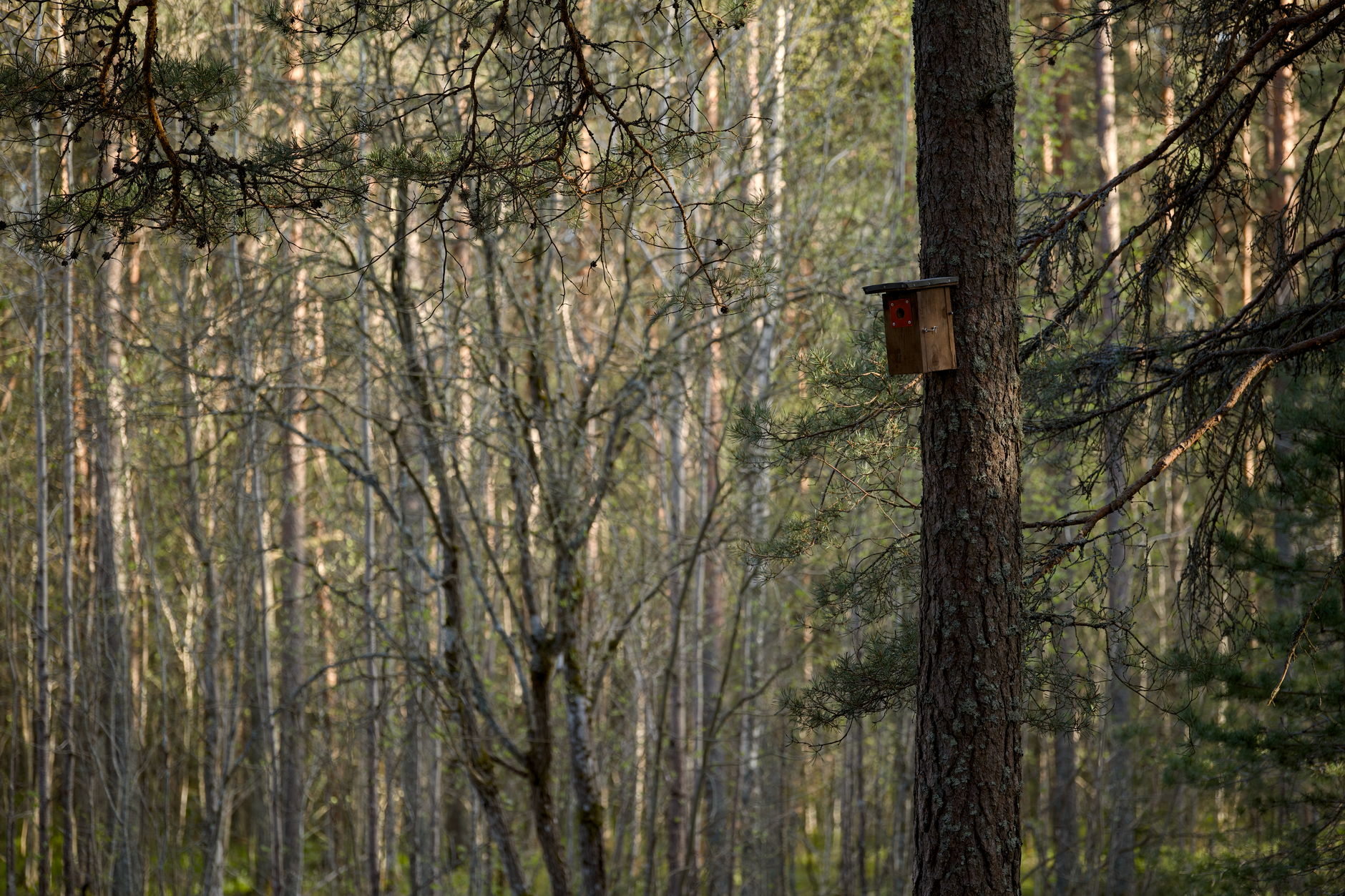
A handcrafted wooden birdhouse nestled among lush greenery, awaiting nesting birds to make it their home. | Photo by Lauri Poldre on Pexels
Handcrafted birdhouses provide safe nesting sites and encourage cavity-nesting species like chickadees and bluebirds. Utilize untreated wood and design entrance holes appropriately sized for your target birds. Unlike store-bought options, DIY houses can be customized to suit local species and climates. The Cornell Lab of Ornithology offers detailed blueprints and guidance for building nest boxes (birds.cornell.edu).
Circulating bird bath water with a DIY drip feature attracts birds and deters mosquitoes.
Birds are attracted by the sound and sight of moving water. Create a drip feature with a bucket, tubing, and a small pump to keep water circulating in a bird bath. Unlike static water, this reduces mosquito breeding. The University of Florida provides DIY guidance on setting up simple microirrigation systems, which can be adapted for bird baths (gardeningsolutions.ifas.ufl.edu).
Curly grape vine or similar natural branches are perfect for making perches. These offer safe spots for birds to rest and preen. Natural wood perches trump metal or plastic rods for comfort and foot health. Read more about safe perches for birds at petmd.com.
Creating a butterfly garden with milkweed and nectar-rich flowers not only attracts butterflies but also the birds that feed on them. These gardens enhance your backyard’s food web compared to traditional lawns. For inspiration and plant lists, explore the U.S. Fish & Wildlife Service’s pollinator resources. To attract a variety of pollinators, include a selection of plants native to your region. Pollinators need a variety of nectar and pollen sources. Check field guides to find out which plants local caterpillars eat. Search online to find pollinator-friendly plants for your area. Contact your local or state native plant society for help. Your local agricultural extension service is also a good resource (fws.gov). By planting a variety of native, nectar-rich flowers and host plants, you can create a vibrant garden that supports both butterflies and the birds that feed on them.
Brush piles of limbs and leaves create vital shelter for birds, enhancing backyard biodiversity.
Assembling a brush pile from fallen limbs, twigs, and leaves offers instant cover for ground-feeding and shy birds—more so than open gardens. These sanctuaries provide shelter from predators and storms. Learn the ecological benefits from the missouribotanicalgarden.org.
Transform bottles, cans, or teacups into unique, eco-friendly bird feeders with upcycling guides.
Repurpose bottles, cans, or teacups into bird feeders for a creative and eco-friendly addition. While new feeders can be expensive, upcycled versions reduce waste and add unique garden decor. Instructables offers step-by-step projects for various upcycled bird feeders (instructables.com).
Berry bushes provide essential food and shelter, supporting thriving bird populations year-round in your garden.
Planting small fruits like serviceberries or elderberries provides natural, seasonal food for thrushes, waxwings, and more. Compared to feeders, berry bushes offer nutrition and habitat year-round. The Royal Horticultural Society lists top bird-friendly fruit plants, including:
Hawthorn (Crataegus monogyna): Offers dense growth for nesting and bright red berries in autumn. Rowan (Sorbus aucuparia): Provides bright red berries that attract blackbirds, waxwings, and thrushes. Elder (Sambucus nigra): Produces clusters of dark berries favored by starlings, finches, and thrushes. Holly (Ilex aquifolium): Offers evergreen foliage for shelter and red berries in winter, providing vital food when other sources are scarce. Blackthorn (Prunus spinosa): Known for its sloe berries, which many birds enjoy (johnsonsnurseries.co.uk).