10 Essential Steps to Build Your Own House Without Going Insane

darren - January 12, 2026
Share

Embarking on the journey to build your own home is both exciting and challenging. The process involves navigating complex decisions, managing unforeseen issues, and maintaining mental resilience. Careful planning and a proactive approach are essential to avoid feeling overwhelmed and to ensure a successful home-building experience. Understanding common challenges, such as budgeting, project management, and regulatory compliance, can help you prepare effectively. By addressing these complexities with a clear strategy, you can transform your dream home into a reality without compromising your well-being (tidbitsofexperience.com).

1. Define Your Vision and Needs

1. Define Your Vision and Needs
Envisioning your dream home’s size, style, and features lays the groundwork for successful planning.

Begin by envisioning your ideal home, considering factors such as size, architectural style, essential features, and future aspirations. This foundational step establishes clear expectations, streamlining decision-making and reducing potential overwhelm during the building process. For comprehensive guidance and planning resources, explore Houzz’s Homeowners Guide to Planning a Home.

2. Set a Realistic Budget

2. Set a Realistic Budget
Accurate cost estimation and budgeting are essential for successful home construction in 2024.

Accurately estimating the total costs of building your home is crucial. In 2024, the average construction cost for a single-family home was approximately $428,215, or about $162 per square foot. This figure includes expenses for land acquisition, materials, labor, permits, and a contingency fund for unexpected costs. Establishing a detailed budget helps keep your project on track and minimizes stress. For more insights, refer to the National Association of Home Builders’ Cost of Constructing a Home report (nahb.org).

3. Find a Suitable Plot of Land

3. Find a Suitable Plot of Land
Evaluating key factors and resources to choose the ideal land for your future home.

When selecting land for your future home, consider the following factors to ensure a solid foundation and harmonious surroundings:

Location: Assess proximity to work, schools, amenities, and overall neighborhood appeal.
Soil Quality: Conduct soil tests to determine suitability for construction and to prevent future issues.
Access to Utilities: Verify availability of essential services like water, electricity, and sewage systems.
Zoning Laws: Research local regulations to ensure your intended construction complies with area codes.

Utilizing resources such as Realtor.com’s land buying guide can provide valuable insights and checklists to assist in your decision-making process.

4. Secure Financing

4. Secure Financing
Image Source: Pexels.

Obtaining appropriate financing is crucial for your home-building project. Construction loans are short-term, typically lasting 12 to 24 months, designed to cover the costs of building a new home. These loans often have higher interest rates compared to traditional mortgages due to the increased risk associated with construction projects. To strengthen your position and expedite the process, seek pre-approval from multiple lenders. This involves providing detailed financial documentation, such as recent pay stubs, tax returns, and bank statements. Pre-approval not only clarifies your budget but also demonstrates to sellers and builders that you are a serious and capable buyer (emilybutlerhomes.com).

5. Assemble a Trustworthy Team

5. Assemble a Trustworthy Team
Collaborative teamwork and clear communication are essential for a smooth, successful dream home construction.

Building your dream home requires a collaborative effort from a team of skilled professionals. To ensure a successful project, consider the following steps:

Architect: An architect designs your home’s layout and appearance, ensuring it meets your vision and complies with local building codes. 
Builder: A reputable builder manages the construction process, coordinating subcontractors and overseeing daily operations. 
Contractors: Specialized contractors, such as electricians and plumbers, handle specific aspects of construction, ensuring quality and safety. (architecturaldigest.com).

6. Design Your House Thoughtfully

6. Design Your House Thoughtfully
Image Source: Pexels.

Collaborate closely with your architect to develop practical and adaptable plans that balance aesthetics, functionality, and future needs. Incorporate principles from the AIA Framework for Design Excellence, such as designing for change and economy, to ensure your home remains resilient and cost-effective over time (aia.org). Ensure compliance with local building codes and zoning laws to avoid future complications. For inspiration and guidance, refer to the American Institute of Architects’ resources on designing your project.

7. Obtain Permits and Approvals

7. Obtain Permits and Approvals
Securing permits and approvals ensures regulatory compliance and smooth construction, following HUD guidelines.

Before commencing construction, it’s essential to secure all necessary permits and approvals to ensure compliance with local regulations and avoid potential delays. This process involves:

Building Permits: Apply for the required permits from your local building department, providing detailed construction plans and specifications. 
Homeowners Association (HOA) Requirements: Review and adhere to any HOA guidelines or restrictions that may apply to your property. 
Municipal Regulations: Familiarize yourself with local zoning laws, building codes, and other municipal requirements that may affect your project. 

To assist in this process, refer to the U.S. Department of Housing and Urban Development’s guidelines on construction permits, which provide valuable information on necessary documentation and procedures. (huduser.gov)

8. Break Ground and Monitor Sitework

8. Break Ground and Monitor Sitework
Image Source: Pexels.

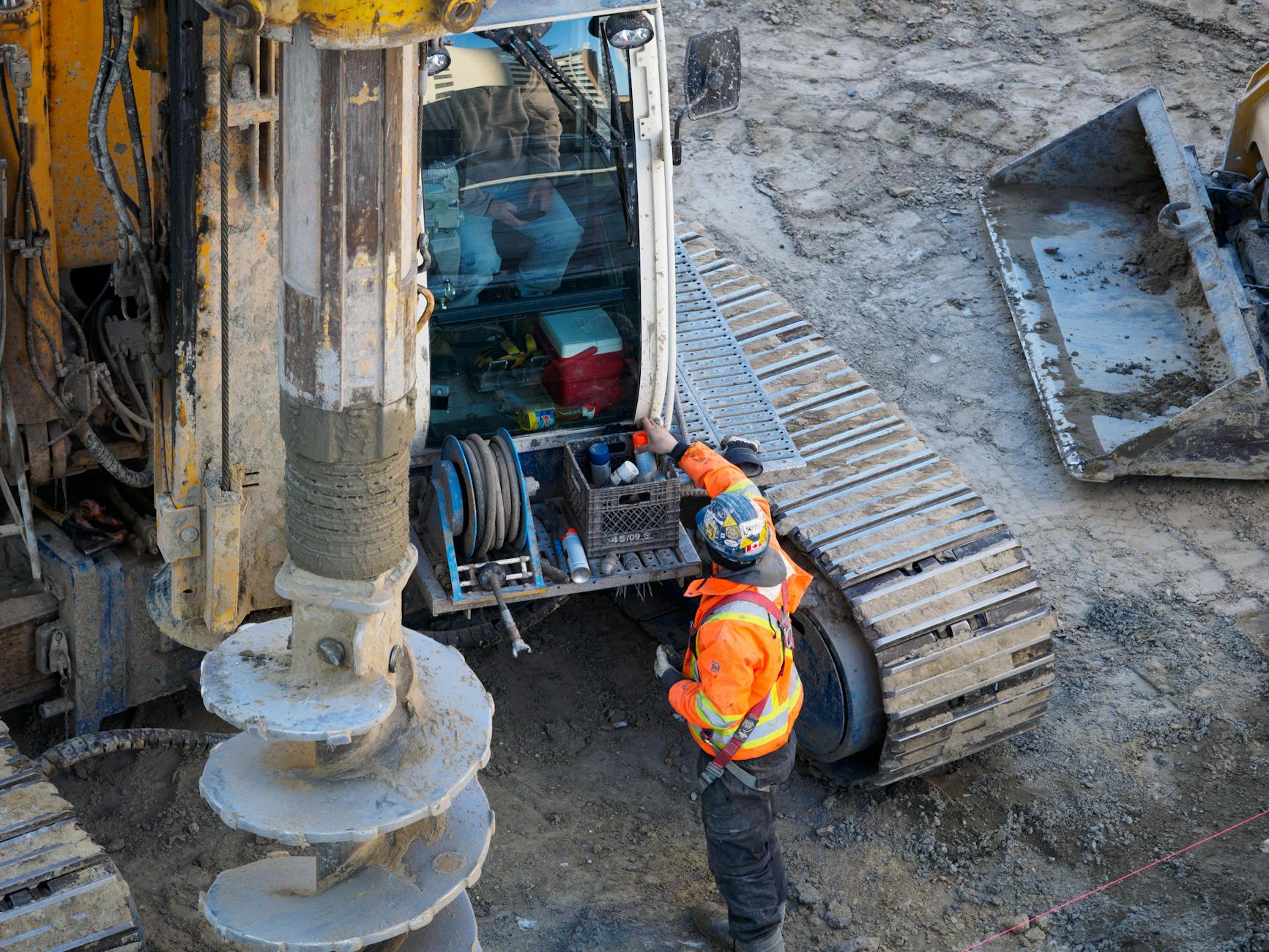
Initiate construction by overseeing site preparation, which includes land clearing, grading, and establishing utilities. Address unexpected issues, such as soil problems, promptly to prevent delays. Maintain regular communication with your builder to ensure the project progresses as planned. For detailed guidance on site preparation, refer to thespruce.com.

9. Oversee Construction With Patience

9. Oversee Construction With Patience
Oversee construction progress with regular site visits, detailed records, and consistent communication with your builder…

Monitor each construction phase—framing, roofing, plumbing, electrical, and interior work—by making regular site visits and maintaining detailed records. Address issues promptly and expect minor delays, understanding that they are common in construction projects. Keep steady communication with your builder to ensure progress aligns with your expectations. For insights into typical construction timelines, refer to homeadvisor.com.

10. Final Inspections and Move-In Readiness

10. Final Inspections and Move-In Readiness
Schedule final inspections, compile warranties, and address issues before moving into your new home.

Before moving in, schedule final inspections to ensure your new home complies with all building codes and quality standards. Compile warranty documents and create a snag list to address any minor issues. Only proceed with moving in after receiving full approval. For a comprehensive final walkthrough checklist, refer to forbes.com.

Conclusion

Conclusion
Image Source: Pexels.

Embarking on the journey to build your own home is both exciting and challenging. By following the essential steps outlined—defining your vision, setting a realistic budget, selecting a suitable plot, securing financing, assembling a trustworthy team, designing thoughtfully, obtaining necessary permits, overseeing construction, and ensuring final inspections—you lay the groundwork for a successful project. Remember, careful planning, patience, and collaboration with the right professionals are key to transforming your dream home into reality. Enjoy the process as much as the finished product (parkplacefinance.com).

Advertisement