Thrift shopping has surged in popularity, driven by a desire for unique finds, budget-friendly options, and environmental sustainability. Savvy thrifters know that while many treasures are best found pre-loved, certain essentials demand the reliability of brand-new purchases. Understanding which items to buy new versus secondhand is key to balancing savings with safety and quality.
Thrift store signage highlights hygiene concerns surrounding secondhand underwear purchases.
Hygiene is the top reason thrifters never consider used underwear, as bacteria and stains may linger even after washing. Health professionals and consumer advocates always recommend buying new for intimate apparel. Signs at thrift stores often reinforce this rule (Consumer Reports).
Shoes mold to the wearer’s feet, so secondhand pairs may not offer proper support or hygiene. Thrifters prefer to buy athletic shoes, running sneakers, or heavily used types new—but may pick up gently worn boots or dress shoes secondhand. For athletic performance, buy new (healthline.com).
Mattresses can harbor dust mites, bed bugs, and bacteria, making used ones a risky purchase. Regulations often prohibit their resale. Consumer protection agencies warn against secondhand mattresses for health reasons. Thrifters always splurge on a new mattress for peace of mind (bbb.org).
Used bike helmets may have unseen damage that compromises their protective features. Safety organizations insist helmets should be replaced after any impact, making new purchases a must for protection (consumerreports.org).
Bed linens and pillows absorb oils, skin cells, and allergens, making them challenging to sanitize thoroughly after extended use. Pillows, in particular, are difficult to properly sanitize after extended use. Thrifters choose new for hygiene, but vintage quilts and decorative bedding can still be appealing if properly cleaned (goodhousekeeping.com).
Non-stick pans degrade over time, and scratched coatings can release hazardous chemicals. For this reason, experts suggest always buying non-stick cookware new. Cast iron or stainless steel pots, on the other hand, are excellent thrift finds (The Spruce Eats).
7. Makeup and Personal Care Items (Always Buy New)
Image Source: Pexels.
Used cosmetics pose serious health risks due to potential bacteria and contamination. Even unopened items may have expired. Dermatologists urge consumers to stick with new makeup and skincare products for safety (elle.com).
Safety standards for car seats change frequently, and used seats may be damaged or expired. Child safety experts emphasize that car seats should never be bought secondhand unless the full history is known (nhtsa.gov).
Reusable water bottles can harbor mold and bacteria in hard-to-clean crevices. Thrifters buy these new to avoid lingering odors or health hazards, especially with plastic bottles that may break down over time (clevelandclinic.org).
Flashy finds aside, used swimsuits pose hygiene issues similar to underwear. Elastic also degrades quickly, affecting fit and function. Experts advise only buying new swimsuits whenever possible (Real Simple).
Solid wood furniture stands the test of time and can be refinished or upcycled with ease. Vintage dressers and tables are highly sought-after thrift finds, often built better than modern versions. To identify quality wood furniture at thrift stores, consider the following tips:
Check for Solid Wood Construction: Solid wood pieces are heavier and have a natural grain pattern that continues around edges and corners (apartmenttherapy.com). Inspect Joinery: Traditional joinery methods like dovetail joints and mortise-and-tenon joints indicate quality craftsmanship. Listen for a Knock: Tapping the surface can reveal the material; solid wood produces a deep, resonant sound. Examine the Back and Underside: Look for signs of particleboard or plywood, which may indicate a more modern, less durable piece. Assess for Pests: Check for tiny holes or powdery residue, which could indicate woodworm or other infestations.
Thrift store bookshelves are treasure troves, offering novels, textbooks, and cookbooks for a fraction of retail prices. Pages might be worn, but the content remains valuable, making used books a perennial favorite (thriftbooks.com).
Purchasing used books not only saves money but also supports environmental sustainability by reducing demand for new paper production (wholepeople.com).
Additionally, buying used books can help support local businesses and charitable organizations, as many thrift stores are operated by non-profits.
Embracing the charm of pre-owned books allows readers to enjoy a diverse range of literature while contributing positively to the community and the planet.
Discover how to score authentic luxury pieces secondhand with expert tips for thrifting.
Luxury pieces become attainable when bought secondhand. Thrifters love scoring high-end jackets and handbags for less. With a keen eye for fakes, shoppers can find authentic gems. To authenticate designer items, consider the following tips:
Examine the Label: Authentic designer labels are precisely sewn with correct font and spelling. Counterfeit items often exhibit sloppy stitching or blurred printing. Inspect Stitching and Construction: Genuine designer clothing features tight, even stitches without loose threads. Uneven or messy stitching may indicate a counterfeit. Assess Material Quality: High-end brands use premium fabrics that feel substantial. Counterfeit clothing tends to feel thin, stiff, or overly synthetic (fashionforlesss.com). Check Hardware: Designer hardware should feel heavy and solid, with engravings that are clean and precise. Lightweight or poorly made hardware can be a red flag. Look for Serial Numbers or Date Codes: Many luxury items include unique identifiers that can be cross-referenced with brand databases to confirm authenticity (alibaba.com).
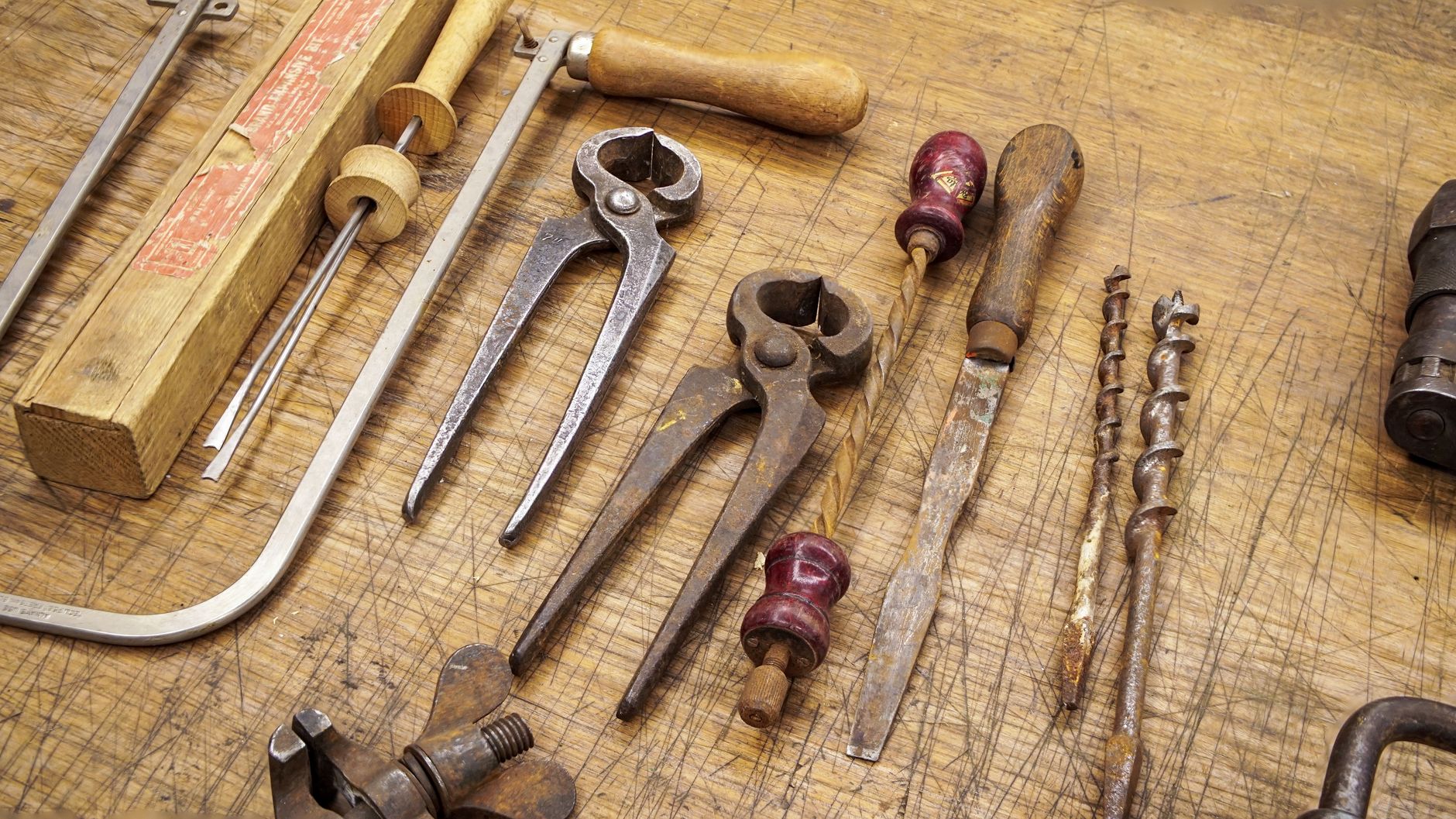
Thrifted hammers, wrenches, and screwdrivers often last decades. These classics rarely wear out. Older tools can sometimes be better built than new, inexpensive models. To ensure you’re purchasing quality used hand tools, consider the following tips:
Inspect for Rust and Corrosion: Minor surface rust can often be cleaned, but deep corrosion may compromise the tool’s integrity (thisoldhouse.com). Check for Cracks or Deformities: Examine handles and metal parts for any signs of damage that could affect performance. Assess Functionality: Test moving parts to ensure they operate smoothly without resistance or unusual noises. Verify Brand Reputation: Research the manufacturer to confirm the tool’s quality and durability. Consider the Tool’s Age: Older tools, especially those made before mass production, are often crafted with superior materials and craftsmanship (thisoldhouse.com).
By carefully evaluating used hand tools, you can acquire durable and reliable equipment that serves you well for years to come.
Thrift stores offer an array of dishes and glassware, making it easy to replace broken plates or stock up for parties. Gently used glassware is often affordable and unique. However, it’s crucial to inspect items carefully to ensure safety and quality.
Check for Chips and Cracks: Examine edges and rims for any signs of damage, as these can harbor bacteria and compromise the item’s integrity. Avoid Lead-Based Paint: Be cautious with vintage dishware, especially those made before 1971, as they may contain lead-based paints that can leach into food and pose health risks (tastingtable.com). Assess Material Quality: High-quality glassware often feels heavier and has a clear, resonant sound when tapped. Consider Age and Origin: Items made before 1971 may not meet current safety standards, so it’s advisable to use them for display purposes rather than for serving food. Test for Lead Content: If uncertain about a piece’s safety, consider using a lead testing kit to ensure it doesn’t contain harmful levels of lead (housedigest.com).
By carefully evaluating dishes and glassware, you can find unique and affordable pieces that enhance your dining experience while ensuring safety.
Thrift stores brim with frames in every shape and size, ideal for DIY décor. A simple coat of paint or new matting can make them look brand new. To enhance your thrifted frames, consider these creative ideas:
Paint and Refresh: Apply a fresh coat of paint to match your décor. For a rustic look, consider distressing the paint or using a chalk paint finish. Create a Gallery Wall: Arrange multiple frames of varying sizes and styles to display a collection of art or photographs, adding a personalized touch to your space. DIY Lanterns: Assemble several frames to construct decorative lanterns, perfect for adding a farmhouse-inspired element to your home décor. Install Picture Frame Molding: Use frames to create a picture frame molding effect on your walls, adding architectural interest and a classic look to your interiors (hgtv.com).
Record collectors often hunt for vintage albums and rare finds at thrift shops. Used vinyl can offer superior sound quality and nostalgia, provided the discs are scratch-free. To ensure you’re purchasing quality used vinyl records, consider the following tips:
Inspect for Scratches and Scuffs: Examine the surface for any visible damage that could affect playback. Minor imperfections may be acceptable, but deep scratches can cause skips or distortion. Check the Label: Authentic records typically have clear, well-printed labels. Be cautious of labels that appear faded, misaligned, or have spelling errors, as these may indicate counterfeit products (Rolling Stone). Assess the Sleeve: The condition of the album cover can provide insights into the record’s care. A well-maintained sleeve often accompanies a well-preserved record. Test Play Before Purchasing: If possible, listen to the record on a turntable to evaluate its sound quality and ensure there are no audible issues.
By carefully evaluating used vinyl records, you can discover unique and high-quality additions to your collection while enjoying the rich, warm sound that vinyl offers. For more detailed guidance on buying used vinyl, refer to this comprehensive guide from Rolling Stone.
Classic games and puzzles can be found cheaply at thrift stores, provided all pieces are accounted for. Thrifters inspect boxes before buying and enjoy nostalgic favorites with family. To ensure a complete and enjoyable experience, consider the following tips when purchasing used board games and puzzles:
Inspect for Missing Pieces: Before purchasing, open the box and verify that all components are present. Some thrift stores may allow you to check the contents, while others may not. Always ask the seller if you’re unsure. Assess the Condition: Examine the game board, cards, and pieces for signs of wear, such as bent cards or damaged components. A well-maintained game enhances the playing experience. (thegamersguides.com) Check for Missing Instructions: Ensure that the rulebook or instructions are included. If not, you might find them online or contact the manufacturer for a copy. Verify Puzzle Completeness: For puzzles, consider assembling a small section to confirm all pieces are present and fit together properly. Clean Thoroughly: After purchase, clean the game pieces and puzzle pieces to ensure hygiene, especially if they have been handled by multiple people.
By carefully evaluating used board games and puzzles, you can enjoy classic entertainment while saving money and reducing waste. Always prioritize safety and completeness to ensure a fun and fulfilling experience for all players.
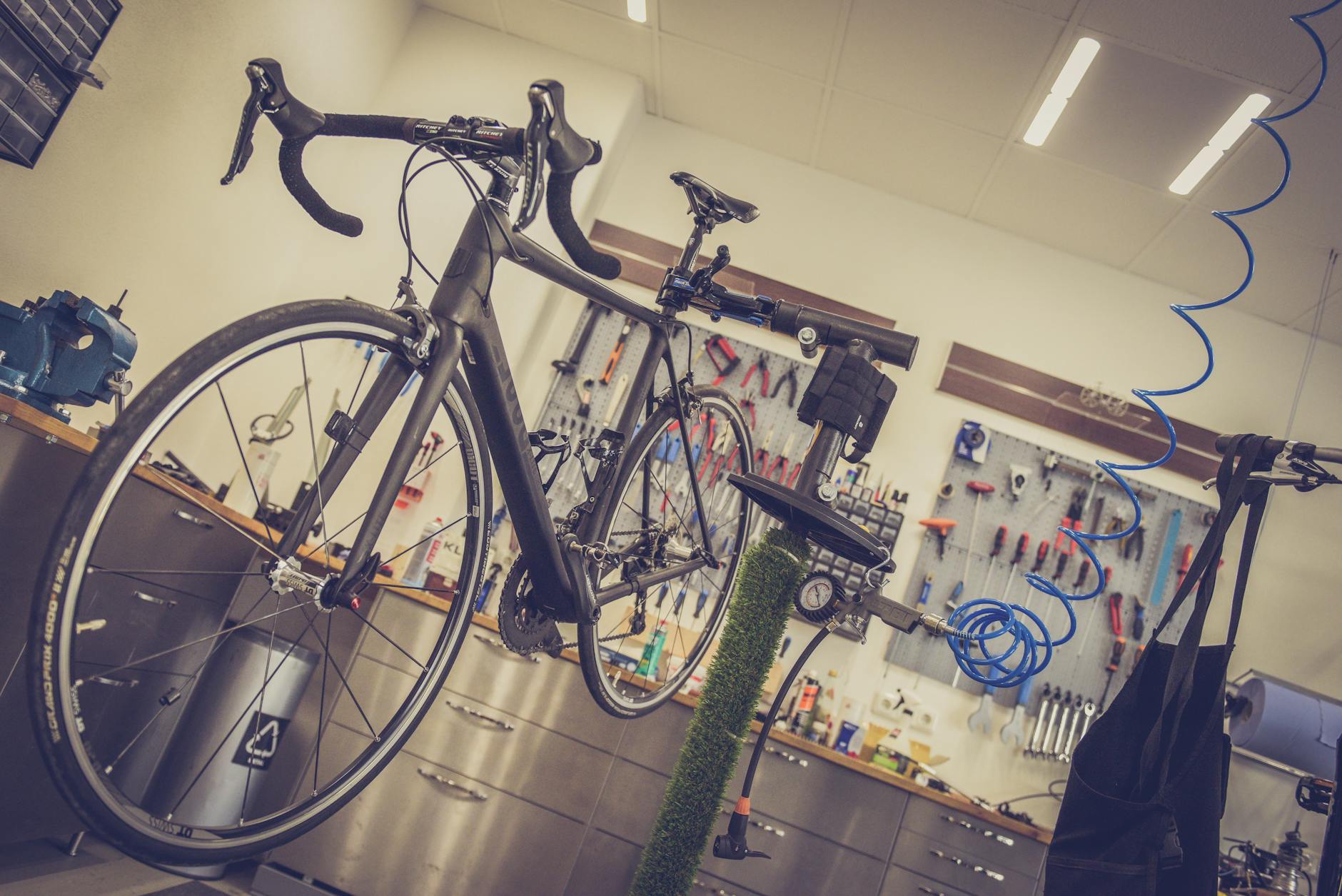
Purchasing a secondhand bicycle can save hundreds over retail prices. Vintage frames are especially popular among urban commuters and collectors. To ensure a safe and worthwhile investment, consider the following inspection tips:
Frame Condition: Examine the frame for cracks, dents, or rust, particularly around high-stress areas like the bottom bracket and head tube (bicycling.com). Wheels and Tires: Check for true alignment and inspect tires for wear. Uneven wear can indicate alignment issues. Drivetrain: Assess the condition of the chain, cassette, and chainrings for signs of wear or damage. Braking System: Test brakes for responsiveness and check pads for adequate thickness. Test Ride: If possible, take the bike for a test ride to evaluate comfort, handling, and overall performance.
By thoroughly inspecting these components, you can confidently purchase a used bicycle that suits your needs and offers excellent value. For a comprehensive guide on buying used bikes, refer to Bicycling’s article.
Cast iron pans gain flavor and value with age. Restoration is simple, and older models are often built to last. A little rust is no concern; restoration is part of the fun. To restore a rusty cast iron pan, follow these steps:
Remove Rust: Scrub the rusted areas with steel wool or a rust eraser. For stubborn rust, soak the pan in a mixture of equal parts white vinegar and water for up to eight hours, checking regularly until all rust is gone (homesandgardens.com). Clean Thoroughly: Wash the pan with warm, soapy water to remove any remaining rust particles. Dry it completely with a towel or by heating it on the stove (lodgecastiron.com). Season the Pan: Apply a thin layer of cooking oil to the entire surface. Place the pan upside down in an oven preheated to 450°F (232°C) for an hour, allowing the oil to polymerize and form a non-stick coating.