Inviting birds into your garden not only enhances its visual appeal but also contributes to a balanced ecosystem. The melodious songs and vibrant colors of birds create a lively atmosphere, while their natural pest control helps maintain plant health. By providing suitable food, water, and shelter, you can transform your garden into a sanctuary that supports local wildlife and offers endless enjoyment (chicagobotanic.org).
To attract a diverse range of bird species, it’s essential to offer various types of feeders that cater to different feeding habits. According to the Cornell Lab of Ornithology, providing several different feeder types and offering a variety of foods can attract the greatest variety of birds. (allaboutbirds.org)
Tube Feeders: Ideal for small to medium-sized birds like finches and chickadees. Platform Feeders: Attract ground-feeding birds such as cardinals, doves, and sparrows. Suet Feeders: Provide high-energy fat, attracting woodpeckers, nuthatches, and chickadees. Hopper Feeders: Suitable for medium-sized birds like cardinals and chickadees, offering protection from the elements. Nyjer (Thistle) Feeders: Designed for finches and siskins, offering small seeds (americanharvestseed.com).
By incorporating a variety of feeders, you can cater to the unique preferences of different bird species, enhancing the diversity and enjoyment of your garden.
Installing birdbaths or garden ponds provides essential fresh water for birds to drink and bathe. Clean, shallow water is vital for their hydration and feather maintenance. Incorporating moving water features, such as fountains or drippers, can attract even more birds, as the sound and sight of moving water are particularly appealing to them. (gl.audubon.org)
Incorporating native flowers, trees, and shrubs into your garden provides essential food, shelter, and nesting sites for local bird species. These plants have co-evolved with native wildlife, offering optimal resources for birds. For instance, serviceberry (Amelanchier spp.) produces sweet berries that attract robins and cedar waxwings, while coneflowers (Echinacea purpurea) offer seeds favored by finches. Additionally, native plants support a diverse insect population, supplying birds with necessary protein sources. By choosing native flora, you enhance biodiversity and create a sustainable environment for local wildlife. (audubon.org)
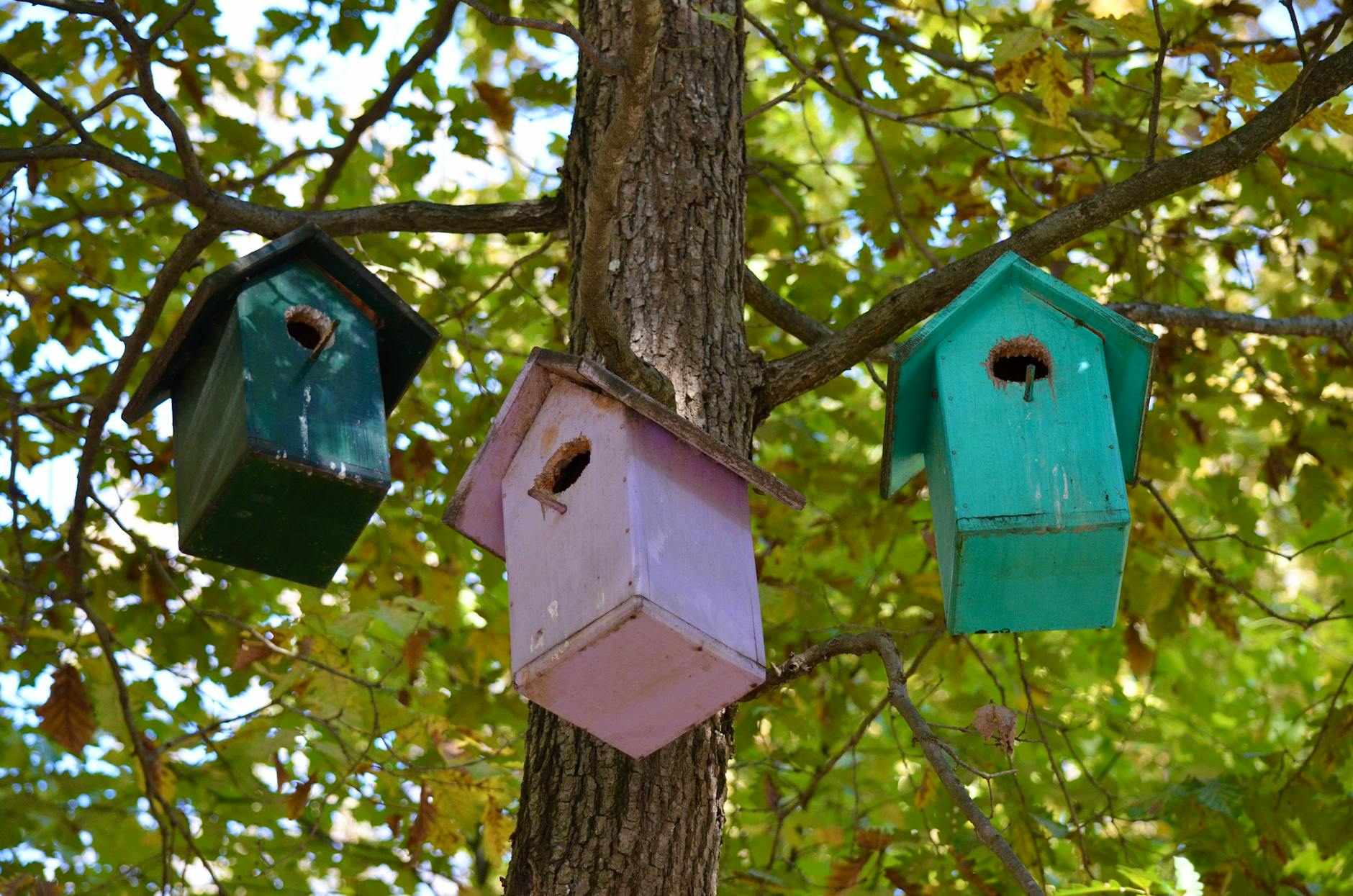
Installing birdhouses or nest boxes can attract cavity-nesting species like chickadees and bluebirds. To maximize their appeal, place boxes in areas where these birds are likely to reside, considering habitat, nest height, and direction preferences. Ensure boxes are mounted securely on trees or poles, ideally with predator baffles for protection. Position entrances away from prevailing winds and direct afternoon sun to maintain a comfortable environment. Regular maintenance, including annual cleaning, is essential to prevent parasite infestations and prepare for new residents. For more detailed guidance, refer to the National Wildlife Federation’s recommendations on nesting boxes. (nwf.org)
Pesticides can harm birds directly through poisoning and indirectly by reducing their food sources. For example, neonicotinoids, commonly used in agriculture, can be toxic to birds when they ingest pesticide-coated seeds or contaminated insects. These chemicals can impair reproduction and decrease survival rates. Additionally, pesticides can disrupt food webs by killing insects and other invertebrates that birds rely on for food. To protect birds, consider using natural pest control methods such as introducing beneficial insects, planting pest-repelling plants, and using physical barriers like nets or row covers. These alternatives can effectively manage pests without harming bird populations (pesticides.org).
Maintaining bird feeders and natural food sources year-round is crucial, especially during winter when food is scarce. High-fat foods like suet, black oil sunflower seeds, and peanuts offer essential energy for birds to withstand cold temperatures. Suet, in particular, is a high-energy food that attracts woodpeckers, nuthatches, chickadees, and wrens. Offering these foods consistently supports bird health and encourages frequent visits to your garden (birdcollective.com).
Incorporating berry- and seed-producing plants into your garden can naturally attract a variety of bird species. For example, sunflowers (Helianthus annuus) are known for their large seed heads, which are popular among birds like chickadees, finches, cardinals, jays, nuthatches, and some species of woodpeckers. Similarly, coneflowers (Echinacea purpurea) offer seeds that attract finches and cardinals, while hollies (Ilex spp.) provide berries favored by robins and waxwings (homesandgardens.com). By selecting a variety of these plants, you can create a diverse and bird-friendly environment in your garden.
Outdoor cats threaten bird populations; keeping them indoors protects wildlife and promotes safety.
Allowing domestic cats to roam outdoors poses significant threats to local bird populations. Studies indicate that outdoor cats kill approximately 2.4 billion birds annually in the United States, making them the leading human-caused mortality factor for birds. To mitigate this impact, it’s advisable to keep cats indoors or supervise them in enclosed outdoor spaces, such as “catios,” which provide a safe environment for both cats and wildlife (spcamc.org).
Create a welcoming habitat with dense shrubs and evergreens to support vibrant birdlife.
Providing shelter and hiding spots is essential for attracting and supporting birds in your garden. Evergreen hedges, dense shrubs, and brush piles offer protection from predators and harsh weather conditions, encouraging year-round bird activity. For instance, red-osier dogwood (Cornus sericea) creates thickets that provide multiple protected nesting sites for species like yellow warblers, American goldfinches, and song sparrows (bird-life.com). Similarly, ninebark (Physocarpus opulifolius) offers dense cover for hidden nests and is tolerant of tough conditions. Incorporating these plants into your garden can create a safe and inviting environment for local bird populations.
A proactive approach to reduce bird-window collisions ensures safer habitats for avian populations.
Bird-window collisions are a significant threat to avian populations, with an estimated one billion birds dying annually in the United States due to such accidents (nps.gov). To mitigate this risk, consider the following strategies:
Apply Visual Markings: Use decals, tape, or paint to create patterns on windows. Ensure markings are high-contrast and spaced no more than 2 inches apart to effectively deter birds. Install External Screens or Netting: Placing screens or netting on the exterior of windows can break up reflections and provide a physical barrier, reducing collision risks (audubon.org). Adjust Feeder Placement: Position bird feeders either within 3 feet or more than 10 feet away from windows. This placement minimizes the likelihood of birds building up enough speed to cause injury if they collide. Modify Lighting Practices: During migration seasons, turn off unnecessary outdoor lights at night to prevent disorienting birds. Additionally, close curtains or blinds to reduce interior reflections that can attract birds.
Implementing these measures can significantly reduce the risk of bird-window collisions, creating a safer environment for local and migratory bird species.
Enhance your garden’s birdlife with natural perches and roosting spots for safety and food.
Providing perches and roosting spots in your garden offers birds elevated positions to survey their surroundings and remain protected from predators. Incorporating structures such as trellises, dead branches, and fences can serve as effective perches. For example, dead trees, known as snags, can attract insects that are important food sources for birds and provide shelter (fairfaxgardening.org). Similarly, brush piles made from dead limbs in the corner of your yard can serve as roosting spots, offering birds a place to hunt, roost, and nest. By integrating these elements into your garden, you create a safer and more inviting environment for local bird populations.
A balanced compost pile fosters beneficial insects, enriching the ecosystem for insectivorous birds.
Composting creates a natural habitat for insects and worms, providing vital protein-rich food for insectivorous birds. As organic matter decomposes, it attracts earthworms, beetles, and other beneficial insects that birds feed on. Maintaining a balanced compost pile with a mix of green (nitrogen-rich) and brown (carbon-rich) materials supports a healthy insect population. For example, a ratio of about 70% brown materials (like fallen leaves) to 30% green materials (such as kitchen scraps) creates an ideal environment for insects. Additionally, placing your compost pile near shrubs or trees offers birds a quick place to perch between foraging visits (featherandforage.com). By integrating composting into your gardening practices, you enhance the food supply for local bird species, supporting their health and encouraging their presence in your garden.
Creating a serene garden environment encourages bird nesting and enhances reproductive success.
Minimizing noise and activity in your garden is crucial, as disturbances can deter shy or nesting birds from visiting. Studies have shown that noise pollution can delay nesting and reduce reproductive success in birds (nsf.gov). To create a safer habitat, schedule noisy activities like lawn mowing during midday hours and avoid them during early morning and evening when birds are most active.
Engaging in citizen science projects, such as the Great Backyard Bird Count, allows you to contribute valuable data on local bird populations, enhancing conservation efforts and deepening your understanding of avian species (birds.cornell.edu).
Maintaining clean feeders and birdbaths is essential to prevent the spread of diseases among birds. Regular cleaning helps eliminate harmful bacteria and mold that can accumulate on these feeding stations. By incorporating these cleaning practices, you help ensure a healthy environment for visiting birds, supporting their well-being and encouraging their continued presence in your garden.
Transforming your garden into a bird-friendly haven offers numerous benefits, including enhanced biodiversity, natural pest control, and the joy of observing diverse bird species. By implementing simple yet impactful strategies—such as providing native plants, fresh water sources, and safe nesting sites—you create a welcoming environment for wildlife. Embracing these practices not only supports local ecosystems but also enriches your connection with nature’s beauty. (mass.gov)