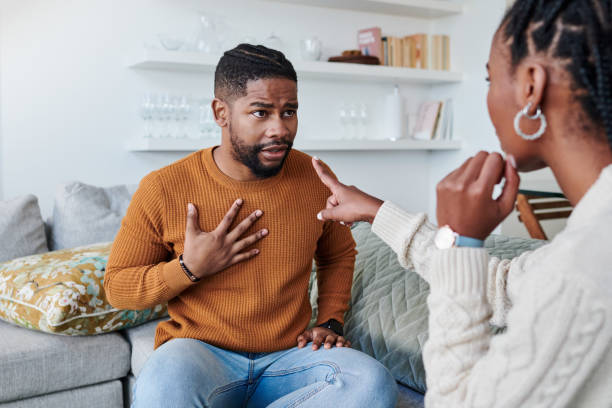
Marriage is a partnership built on love, respect, and mutual understanding. However, certain habits can undermine this foundation, leading to discord and unhappiness. Recognizing and addressing these habits is crucial for maintaining a thriving relationship.
In this article, we’ll explore 20 common habits that can jeopardize the health of a marriage. Identifying these pitfalls allows couples to take proactive steps to nurture a more harmonious and fulfilling union. As you read through each habit, consider how they might apply to your own relationship and how you can work together to foster a healthier marriage.
A couple engages in a heartfelt discussion, leaning in close to understand each other’s perspectives. | Image source: Photo by cottonbro studio on Pexels
Effective communication is crucial in any relationship. When partners stop sharing their thoughts and feelings, misunderstandings and resentment can build. According to Psychology Today, open communication helps partners understand each other better and fosters emotional intimacy.
Without it, assumptions may take the place of facts, leading to unnecessary conflicts and emotional distance. Couples should cultivate an environment where both partners feel safe to express themselves openly, ensuring that they remain connected and aligned. Remember, speaking and listening with empathy are keys to a healthy marriage.
“A married couple locked in a tense disagreement, their expressions revealing the struggle of compromise.” | Image source: google
Disagreements in marriage are natural, but avoiding them can lead to unresolved issues and brewing resentment. Rather than sidestepping conflicts, couples should embrace healthy conflict resolution techniques. As noted by Harvard Business Review, addressing conflicts directly can lead to more innovative solutions and strengthen the partnership.
Openly discussing differences allows couples to understand each other’s perspectives and work towards common ground. By facing conflicts head-on, partners can develop deeper trust and resilience, turning challenges into opportunities for growth and connection.
A joyful couple embraces warmly, their faces radiating gratitude and mutual appreciation for shared moments. | Image source: Photo by Gustavo Fring on Pexels
Appreciation is a cornerstone of a healthy marriage. When partners feel taken for granted, it can lead to feelings of discontent and emotional distance. Regularly expressing gratitude not only reinforces the bond between partners but also enhances marital satisfaction. Studies published by the Journal of Marriage and Family highlight the positive impact of gratitude on relationship dynamics.
Simple gestures, like saying “thank you” or acknowledging efforts, can make a significant difference. By consistently appreciating each other, couples cultivate a supportive and nurturing environment that fosters long-term happiness.
A couple enjoys a cozy date night, sharing laughter and heartfelt conversations over candlelit dinner. | Image source: Photo by Tima Miroshnichenko on Pexels
Spending quality time together is essential for strengthening the bond between partners. When couples neglect this important aspect, it can result in emotional distance and feelings of disconnection. The Gottman Institute emphasizes the importance of regular date nights to maintain intimacy and connection.
By setting aside dedicated time to focus on each other, couples can foster a deeper understanding and appreciation for one another. Whether it’s a weekly date night or a simple walk together, prioritizing quality time helps sustain a loving and fulfilling marriage.
A locked safe sits open, revealing stacks of cash and documents, symbolizing hidden financial truths guarded by trust. | Image source: Photo by Mikhail Nilov on Pexels
Financial transparency is crucial in maintaining trust within a marriage. When partners hide expenses or debts, it can lead to significant breaches of trust, potentially causing long-term damage to the relationship. According to CNBC, couples who openly discuss their finances tend to have stronger relationships.
Creating a safe space for financial discussions allows partners to align on goals and expectations, fostering a sense of unity. By sharing financial information honestly, couples can build a solid foundation for a secure and harmonious marriage.
Keywords: “closeness, connection”
Caption: “Hands intertwined with warmth and familiarity, symbolizing an intimate connection and unbreakable closeness.” | Image source: google
Physical and emotional intimacy are vital components of a healthy marriage. Without them, partners may experience feelings of rejection or inadequacy, which can strain the relationship. Healthline underscores the role of intimacy in maintaining a strong emotional connection between partners.
Intimacy goes beyond physical affection; it includes emotional closeness and vulnerability. Regularly engaging in intimate moments helps reinforce the bond and ensures that both partners feel valued and cherished. By nurturing intimacy, couples can sustain a deeply connected and resilient marriage.
Amidst a flurry of sticky notes with critical feedback, a reassuring hand offers unwavering support. | Image source: Photo by ROCKETMANN TEAM on Pexels
While constructive feedback can be beneficial, constant criticism can damage a partner’s self-esteem and erode trust within the marriage. The Gottman Institute suggests focusing on positive communication to foster a supportive and nurturing environment.
Instead of dwelling on faults, emphasize strengths and express concerns in a respectful manner. By replacing criticism with encouragement, couples can create a more positive dynamic that promotes growth and mutual respect, ultimately strengthening the marriage.
“A couple, lost in a heated argument, express their passions with fervent gestures and intense gazes.” | Image source: google
Holding onto past grievances can create barriers to healing and growth within a marriage. When partners are unable to forgive, it hinders emotional progress and can perpetuate resentment. Psychology Today discusses the benefits of letting go of grudges, highlighting how forgiveness is essential for both personal and relationship well-being.
By choosing to forgive, couples can release the burdens of the past and focus on building a positive future together. Embracing forgiveness fosters a more compassionate and harmonious marital environment.
“A couple caught in an intense disagreement, their expressions reflecting the heat of the moment.” | Image source: google
Constantly comparing your marriage to others can breed dissatisfaction and discontent. Every relationship is unique, with its own strengths and challenges. Instead of focusing on others, it’s healthier to nurture your own dynamic. According to Verywell Mind, such comparisons can lead to unrealistic expectations and unnecessary pressure.
By appreciating your relationship’s individuality, you can cultivate a more fulfilling partnership. Embrace your unique journey and focus on mutual growth, understanding that every marriage has its own path to success.
A solitary figure standing alone amidst a vast landscape, underscoring the poignant solitude of an unsupported person. | Image source: pexels
In a healthy marriage, partners should support each other’s goals and dreams. A lack of support can lead to feelings of isolation and frustration, making it difficult for individuals to pursue personal growth. The American Psychological Association highlights the importance of mutual support in fostering strong, resilient relationships.
By actively participating in each other’s aspirations and offering encouragement, couples can build a solid foundation of teamwork and trust. This mutual support not only strengthens the marriage but also enriches the individual lives of both partners.
A vibrant butterfly emerges from its cocoon, symbolizing the beauty of embracing change and individuality. | Image source: Photo by MART PRODUCTION on Pexels
Acceptance is a key component of love and a cornerstone of a healthy marriage. When partners attempt to change each other, it can lead to resentment and undermine the relationship. As noted by GoodTherapy, embracing each other’s individuality is crucial for strengthening relationships.
By appreciating your partner for who they are, you foster a sense of belonging and trust. This acceptance creates a nurturing environment where both partners can thrive and feel valued for their authentic selves.
“A warm, heartfelt embrace between two individuals, portraying a deep sense of emotional availability.” | Image source: google
Emotional availability is crucial for fostering intimacy and trust in a marriage. When one partner is emotionally distant, it can lead to a sense of disconnection and loneliness. Mindful.org stresses the importance of being present and emotionally available for your partner to maintain a healthy relationship.
By actively listening and engaging with your partner’s emotions, you create a safe space for vulnerability and deeper connection. This openness not only strengthens the marital bond but also enhances mutual understanding and empathy.
“A defiant figure stands tall under a stormy sky, unapologetic and undeterred by the impending torrent.” | Image source: google
Apologies play an essential role in acknowledging mistakes and fostering healing in a marriage. Refusing to apologize or admit fault can create a significant rift between partners, leading to unresolved issues and resentment. Forbes highlights the power of a sincere apology in rebuilding trust and mending emotional wounds.
By offering genuine apologies, partners demonstrate humility and a commitment to the relationship’s well-being. This act of contrition helps restore balance and paves the way for deeper understanding and reconciliation.
Two colleagues, deep in discussion, jot down notes as they work together to track their project’s progress. | Image source: Photo by RDNE Stock project on Pexels
Keeping track of each other’s mistakes can foster bitterness and resentment within a marriage. A healthy relationship should resemble a partnership, not a competition. Psychology Today discusses the importance of focusing on collaboration and mutual support rather than competition.
By shifting the focus from tallying faults to working together, couples can create a more harmonious and supportive environment. Emphasizing teamwork over scorekeeping encourages a positive dynamic, leading to shared success and deeper connection.
“A young sapling standing tall against a sunrise backdrop, symbolizing one’s journey of personal growth and development.” | Image source: pexels
Personal growth is essential for a fulfilling life and a thriving relationship. Neglecting this aspect can lead to stagnation and dissatisfaction, both individually and as a couple. The Huffington Post emphasizes the significance of supporting each other’s growth and evolution within a marriage.
By encouraging personal development, partners can enhance their own lives while enriching their relationship. This mutual support fosters a dynamic where both individuals can thrive, resulting in a more vibrant and resilient partnership.
A glass jar filled with shimmering keys rests on a wooden table, symbolizing secrets unlocked through trust and transparency. | Image source: Photo by Ron Lach on Pexels
Secretive behavior can erode trust and intimacy in a marriage, creating barriers that are difficult to overcome. Transparency, on the other hand, fosters trust and openness between partners. As reported by The Atlantic, honesty is crucial for cultivating a healthy and trusting relationship.
By sharing openly and being transparent, couples can build a foundation of trust that supports emotional intimacy. This openness not only strengthens the bond but also ensures a more harmonious and connected partnership.
“A lonely figure sits hunched, their silhouette etched against a dimmed backdrop, the epitome of palpable sadness and despair.” | Image source: google
Fun and laughter are essential components in maintaining a joyful and resilient marriage. Without these elements, relationships can become monotonous and uninspiring. The New York Times highlights the importance of playfulness in adult relationships, underscoring its role in keeping the connection vibrant and engaging.
Incorporating fun activities and shared laughter can help partners reconnect and create lasting memories. By prioritizing playfulness, couples can rejuvenate their relationship and reinforce their bond, ensuring a more fulfilling and dynamic partnership.
“A man displaying a disrespectful stance, his arms folded in defiance, exuding an air of audacious nonchalance.” | Image source: pexels
Respect is foundational in any relationship, acting as the glue that holds partners together. Disrespectful behavior can lead to a breakdown in communication and erode trust, creating a toxic environment. The American Psychological Association stresses the importance of respect in maintaining healthy relationship dynamics.
By treating each other with kindness and consideration, couples can foster a nurturing environment where both partners feel valued. Prioritizing respect not only enhances communication but also strengthens the connection, ensuring a more harmonious and loving marriage.
A gentle hand stops at an invisible line, illustrating a powerful lesson in boundaries and respect. | Image source: Photo by Yan Krukau on Pexels
Respecting personal boundaries is crucial for maintaining a healthy relationship. When boundaries are ignored, it can lead to discomfort and resentment, potentially damaging the trust and safety within the marriage. The National Domestic Violence Hotline emphasizes the importance of setting and respecting boundaries to uphold the integrity of a partnership.
By acknowledging and honoring each other’s limits, couples can create a safe and respectful environment. This mutual understanding fosters trust and allows both partners to feel secure and valued in the relationship.
20. Lack of Trust
Image source: Jovaughn Stephens by Unsplash
Trust is the cornerstone of a strong marriage, essential for its growth and stability. Without trust, relationships struggle to thrive and can quickly unravel. The Mayo Clinic offers strategies to build and maintain trust, emphasizing honesty, communication, and consistency as foundational elements.
As we conclude, remember that nurturing a healthy marriage requires ongoing effort and commitment. By addressing harmful habits and fostering trust, respect, and intimacy, couples can build a resilient and fulfilling partnership. Take proactive steps today to strengthen your bond and ensure a lasting, loving relationship.