
Fascinating Succulents That Look Like Art from Another Galaxy

Chuvic - March 29, 2023
Share

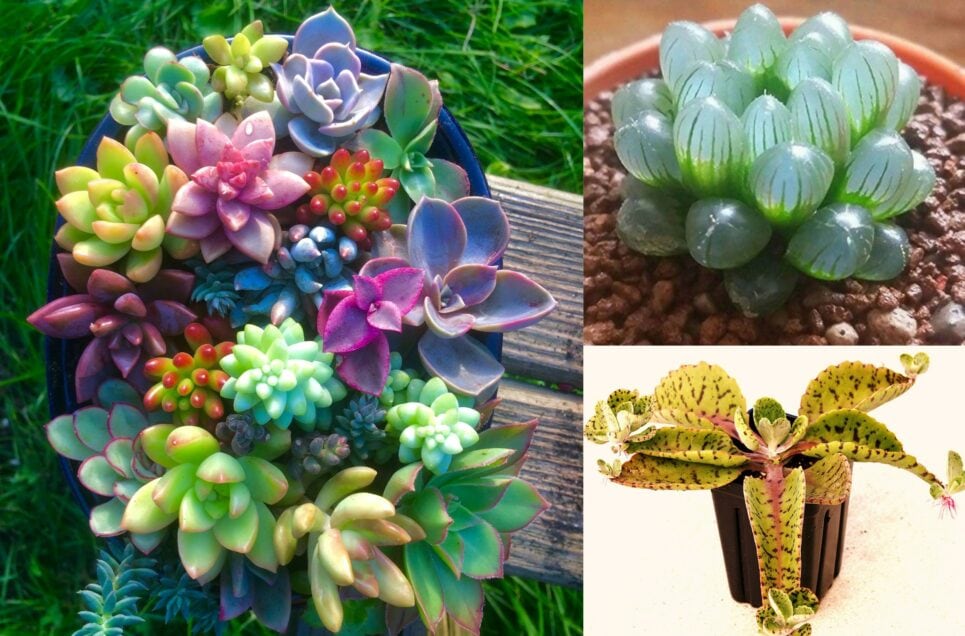
Succulents are known for their unique and often strange appearance, but there are some types that truly stand out as otherworldly. From the surreal Stapelia Gigantea, also known as the Carrion Flower, to the stunning Kalanchoe Thyrsiflora, these four succulents are sure to leave you in awe.

Trachyandra Tortilis (Ribbon Plant)

Photo credit: Pinterest

The unique feature of Trachyandra succulents is their unusual and eye-catching spiral-shaped leaves. Native to southern Africa, its leaves grow in a dense, cylindrical formation that twists and spirals, resembling a corkscrew or a helix. This gives the plant a striking and distinct appearance that makes it a popular choice among succulent enthusiasts. In addition to its unique leaves, Trachyandra succulents also produce tall, slender flower stalks that can grow up to several feet in height. The flowers are small and white or yellow, adding to the plant’s overall beauty. 

Haworthia Maughanii (Large Window)

Photo credit: flickr.com

Haworthia maughanii Takagi breed large window is a stunning and unusual succulent plant that is highly sought after by collectors. Native to South Africa, this plant has thick, fleshy leaves that are triangular in shape and grow in a rosette pattern. What makes this plant unique is its translucent “windowed” tips, which allow sunlight to pass through and illuminate the plant’s inner structure. The Haworthia maughanii Takagi breed large window is a slow-growing plant. The windowed tips of the leaves give the plant a delicate and ethereal appearance, almost as if it were made of glass. 

Faucaria Felina (Tiger Jaws)

Photo credit: worldofsucculents.com

Tiger Jaws are an eye-catching succulent that takes its name from the distinctive orange and white stripes that resemble tiger fur. This South African native is easy to grow, requiring minimal care and maintenance. The beauty of Tiger Jaws lies in its simple, elegant form. It’s a low-growing succulent with short stems of just three inches tall, topped by small leaves in attractive colors of cream and greenish-yellow. In the sunniest spots they’ll develop a bright pink tinge. Tiger Jaws are not just one of the most beautiful succulents — they’re also one of the toughest! 

Kalanchoe Gastonis Bonnieri (Donkey Ears)

Photo credit: ecrater.com

This fascinating succulent, native to Madagascar, is known for its unique and bizarre appearance, with leaves that are thick, fleshy, and covered in small hairs, giving it a velvety texture. The leaves of the Donkey Ears are spoon-shaped and can grow up to six inches long, with a bluish-green hue that becomes more intense in bright sunlight. The plant’s thick stem also grows long and produces clusters of small pink or red flowers, adding to its already unusual beauty. The Donkey Ears is an excellent plant for indoor gardening or as part of a succulent collection, as it is easy to care for and requires minimal watering. 

Gasteria (Little Warty)

Photo credit: kohaku03.blogspot.com

Gasteria Little Warty is a peculiar succulent that combines the texture of a cactus with the intriguing shape of a little dinosaur. What sets this plant apart is its diamond-shaped bumps that move along its surface, giving it a distinctive appearance. Its mottled green color adds another dimension of visual interest, providing the impression of reptilian skin. When exposed to sufficient sunlight, this small succulent can produce delicate pink and white star-like flowers, adding an extra touch of elegance to its features.

Fenestraria Rhopalophylla (Baby Toes)

Photo credit: gardeningknowhow.com

Baby Toes might be small on the outside, but they sure pack a big punch in terms of beauty. This native of South Africa is an incredibly tough and resilient plant. Its succulent leaves may be just a few millimeters or centimeters long, but they create an incredible display of unique beauty! The best-known characteristic of Baby Toes is its distinct appearance: each leaf has an end that looks like a little “toe” spilling out from the rest of the foliage. This makes it a standout among other succulents for its unusual aesthetics. 

Lithops (Living Stones)

Photo credit: Pinterest

If you love weird and wonderful plants, then Lithops is for you. These small succulents are often mistaken for stones! From their camouflaged coloration to their bumpy texture, it’s no wonder why they’ve earned the nickname “living stones”. Although Lithops only reach a maximum height of two inches, its remarkable colors range from soft greens to rusty browns with yellow stripes. When placed among rocks or gravel in a planter, these miniature stone-like plants are guaranteed to be an eye-catching display.

Haworthia Cooperi (Watermelon Haworthia)

Photo credit: ornamentalis.com

This succulent is a must-have for any plant enthusiast because of its distinct look and low-maintenance routine. Not only is it visually striking with its cluster of green leaves covered in bumps, but it also has an unexpected iridescent white glow at the tips of its leaves that will leave you mesmerized. But that’s not all – this petite plant is also incredibly easy to care for, making it a great choice for both seasoned and novice plant owners. It thrives in bright but indirect light and prefers well-draining soil, which means you don’t have to worry about watering it too much.

Crassula (Buddha’s Temple)

Photo credit: younggardenshop.com

Crassula (Buddha’s Temple) is a visually stunning succulent plant that lives up to its name. With its unique appearance resembling an ancient temple, it is no wonder that this plant has gained popularity among gardeners and succulent enthusiasts alike. The Crassula Buddha’s Temple can grow up to two feet tall, producing tiers of glossy leaves that are arranged around a short stem, giving the appearance of stairs leading up to a divine structure. This plant is a unique take on the classic jade plant and can produce bright yellow flowers when mature, adding to its overall beauty. 

Stapelia Gigantea (Carrion Flower)

Photo credit: flickr.com

This succulent is known for its fascinating and unconventional appearance. Featuring large, star-shaped flowers that emit an intense odor similar to that of decaying flesh, it attracts flies for pollination. The flowers of this plant are typically a deep burgundy color and have a distinct, textured appearance characterized by raised ridges. The plant’s ability to attract insects has made it a popular addition to botanical gardens and exotic collections worldwide. Whether you are attracted to its unique appearance or its interesting pollination mechanism, this plant is sure to be a conversation starter.

Aloe Polyphylla (Spiral Aloe)

Photo credit: Pinterest

Aloe polyphylla is certainly not for the faint-hearted plant parent! This rare aloe plant brings an incredible amount of character into any home or garden thanks to its wild spiral formation where bottom leaves form a circle around the stem exposing individual organisms above them. It’s unpredictable growth has earned it another nickname – The Upside Down Plant! Despite being difficult to acquire, this mesmerizing aloe can bring life into any indoor or outdoor space with its intricate patterns and complexity from top to bottom.

Kalanchoe Orgyalis (Copper Spoons)

Photo credit: Pinterest

Kalanchoe orgyalis is a succulent commonly known as copper spoons due to its bronze and spoon-shaped leaves. It’s gray on the underside and felted with fine cinnamon-colored hairs on the top side. This slow-growing shrub can grow up to 6 feet tall but is usually seen as a smaller succulent. Native to Madagascar, it is also sometimes referred to as Cinnamon Bear Leather Plant, Shoe Leather Kalanchoe or Kalanchoe antanosiana. It produces yellow flowers that bloom in clusters on the ends of branches from late winter to early spring. It best grows in a location that receives either full sun or partial shade. 

Adenium Obesum (Desert Rose)

Photo credit: Pinterest

Adenium Obesum, commonly known as The Desert Rose, is a tropical plant with stunning pink or white blossoms. The plant’s curvy trunk, coupled with its contrasting petals, gives it a resemblance to an erupting volcano – an eye-catching visual for onlookers from afar. Up close, its appearance could be confused with rose quartz due to its smooth and colorful texture. It’s no wonder that The Desert Rose has gained popularity across the world as a striking and delicate addition to gardens, patios, and indoor spaces. Native to tropical climates, this plant promises to add a unique and exotic touch to any environment.

Sedum Morganianum (Burro’s Tail)

Photo credit: etsy.com

Another interesting specimen, Sedum Morganianum is often referred to as Burro’s Tail due to its long cascading stems that hang down like tails! Its thick blueish-green leaves grow tightly together creating swaying chains that look as if they never end. In sunny areas, you may even find clusters of vibrant red or pink buds bloom on your Burro’s Tail – making it even more special!

Tulista Pumila (Spreading Pigmy Agave)

Photo credit: worldofsucculents.com

It’s easy to see why this plant has quickly become so popular amongst gardeners: its low-growing rosettes of wide, bluish-green leaves with silvery stripes create an eye-catching display that’s sure to stand out from other succulents. Plus, if you look closely you will also find the characteristic white spots unique to all agaves that help them store moisture! Its adaptability makes it suitable for both rockeries and planters or containers. The best part? It is frost hardy so requires minimal maintenance throughout the year. 

Kalanchoe Thyrsiflora (Paddle Plant)

Photo credit: Pinterest

Originating from South Africa, the paddle plant, also known as Kalanchoe thyrsiflora, is a sought-after succulent. Its rounded, thick leaves have a gray-green hue and can grow up to six inches in diameter. The edges of the leaves are tinged with red, which adds to its visually striking appeal. Moreover, the plant produces tall, branching flower stalks that support small, star-shaped flowers. Its unique structure and coloration make Kalanchoe Thyrsiflora a popular choice among succulent enthusiasts and those who seek to add a bit of natural elegance to their indoor or outdoor spaces.

Senecio Rowleyanus (String of Pearls)

Photo credit: Pinterest

Senecio Rowleyanus, also known as the string of pearls, is a stunning succulent with a delicate and ethereal appearance. This plant boasts long, trailing stems that are adorned with small, bead-like leaves that resemble pearls, giving it a unique and eye-catching look. A popular choice for hanging baskets, the string of pearls adds a touch of elegance and sophistication to any living space. Its delicate nature only adds to its charm, making it a favorite among succulent enthusiasts. Whether as a striking standalone or as part of an arrangement, the Senecio Rowleyanus is sure to impress with its understated beauty.

Anacampseros Sunrise

Photo credit: maisplantas.blogspot.com

Anacampseros Sunrise is one of the few plants that looks like it comes from outer space! Its finely bristled leaves form in rows pointing outward along its thick stem giving it an appearance similar to a glow stick or extraterrestrial being! The bright colors range from purple, magenta pink, and orange so you can be sure this eye-catching succulent will stand out wherever you decide to place it.

Euphorbia Obesa (Baseball Plant)

Photo credit: 5-five-5.blogspot.com

Euphorbia Obesa might not be the prettiest looking member of the succulent family but there is something special about its round shape and textured skin resembling that of an actual baseball! Reaching up to four inches wide, this eye-catching plant produces small red markings on its surface when grown in full sun but can also change tones depending on how much light exposure it gets.

Ceropegia Woodii (String of Hearts)

Photo credit: http://growjungle.com/

Ceropegia Woodii is a plant that originates from South Africa and is known for its long, trailing stems covered in small, heart-shaped leaves that lend it a delicate and ethereal appearance. It is a favored choice for hanging baskets and adds a touch of charm and elegance to any indoor space. The plant’s cascading foliage and attractive variegation make it an ideal option for those who want to introduce a touch of greenery into their home without taking up too much floor space.

Crassula Capitella (Campfire)

Photo credit: plantingman.com

Crassula Capitella is a succulent that boasts a striking and fiery appearance, owing to its fleshy leaves that come in a bright red-orange hue. Its distinctive appearance often draws comparisons to a miniature campfire, making it a popular choice for succulent enthusiasts. As a versatile plant, Crassula Capitella adds a pop of color and interest to any succulent garden. With its low maintenance requirements, it is easy to care for and can be grown both indoors and outdoors.

Agave Attenuata (Foxtail Agave)

Photo credit: Pinterest

Agave Attenuata is a strikingly beautiful succulent that is sure to captivate any onlooker. Its long, curving leaves grow in a rosette pattern, giving it the appearance of a graceful fountain or a fox’s tail. The leaves have a soft, smooth texture and are a gorgeous blue-green color that can appear silvery in the right light. The Foxtail Agave can grow up to five feet tall and produces a tall stalk of yellow flowers that can reach up to ten feet in height. This plant is incredibly hardy and can thrive in a range of temperatures, making it an excellent choice for any garden or indoor space. 

Lithops Lesliei (Rubra)

Photo credit: Pinterest

Lithops Lesliei is a captivating succulent composed of two conjoined leaves that form an eye-like shape. This rubra variant is known for its striking reddish hue, making it a standout addition to any home or garden. Both rounded leaves range in color from light pinkish browns to deep purples and can grow up to 1.5 inches wide at maturity. Its unique structure and coloration make the Lithops Lesliei an interesting and visually appealing option for succulent collectors or anyone looking to add a touch of quirkiness to their space.

Monilaria Obconica (Bunny Ears)

Photo credit: hypescience.com

For those looking for something truly out-of-the-ordinary then the Monilaria Obconica will certainly provide! Its spiky petite leaves grow in clusters resembling long ears while its colorful tips might be mistaken for a bushy tail! The Bunny Ear’s tempting colors range from happy greens and yellows to vibrant pinks and reds – making it look as if it has just hopped out an animated children’s movie!

Pleiospilos Nelii (Split Rock)

Photo credit: webshopapp.com

Pleiospilos Nelii is yet another bizarre species of succulents that come straight out of fantasyland! This rust colored rock shaped plant offers a great way to add texture into your space as well as low maintenance care – only needing watering once every few weeks during the summer months. It’s also known as Split Rock due to how easily its two pebble-like halves can be separated after which they’ll form new roots if replanted separately into soil!

Crassula Tetragona (Miniature Pine Tree)

Photo credit: succulentsnetwork.com

Crassula Tetragona is a succulent plant with a unique beauty that makes it a favorite among succulent enthusiasts. This plant’s elongated, thin leaves grow in a vertical pattern, resembling a miniature pine tree, hence its name. The leaves are a rich green color and can develop red or purple tints when exposed to bright sunlight. In the spring, the Crassula Tetragona produces small white or pink flowers, adding to its already stunning appearance. This low-maintenance plant is easy to care for and can thrive both indoors and outdoors, making it an excellent addition to any succulent collection or garden.

Huernia Zebrina (Lifesaver Plant or Little Owl)

Photo credit: etsy.com

Huernia Zebrina, a succulent native to southern Africa, is a unique plant that grows in a creeping pattern and produces striking flowers from late spring through summer. The flowers have zebra-striped red and cream-colored petals with a raised glossy burgundy ring in the center called the annulus. The plant’s beauty lies not only in its stunning flowers but also in its low maintenance nature. As long as it is potted with the right soil and excellent drainage, it can thrive with minimal care. However, one thing to note is that Huernia Zebrina’s flowers emit a strong odor designed by nature to attract pollinators. 

Kalanchoe Tomentosa (Panda Plant)

Photo credit: worldofsucculents.com

Kalanchoe Tomentosa, a succulent plant native to Madagascar, is a charming and uncommon addition to indoor planting. With its soft and furry silvery-green leaves covered in tiny white hairs, this plant boasts a unique appearance that makes it a popular choice for decorative accents. The plant’s velvety texture and distinct coloring add an interesting contrast to other common indoor plants, making it a great option for sprucing up any space.

Pseudolithos Cubiformis (False Pebble)

Photo credit: Reddit, notbright

Pseudolithos Cubiformis looks quite like a rock formation due to its deep grey hues and rough texture – hence its name False Pebble. This plant measures up to 5 inches tall and wide when mature, forming small stalks as if they were mountains atop a landscape painting! The False Pebble’s shape is ideal for adding depth into your décor while requiring minimal water and maintenance care.

Boophone Haemanthoides (Namaqua Century Plant)

Photo credit: Pinterest

This magnificent succulent plant is native to South Africa. The Namaqua Century Plant has a thick, bulbous base that can grow up to 60 centimeters in diameter, with long, strap-like leaves that can reach up to two meters in length. The leaves are blue-green in color and have a waxy texture, making them resistant to water loss. The plant produces large, spherical flower heads that are composed of small, white flowers with a sweet fragrance. The Namaqua Century Plant is a slow-growing plant and can take up to 15 years to flower, adding to its mystique and appeal. 

Sedum Adolphii (Golden Sedum)

Photo credit: jardindumorvan.com

Golden Sedum is a stunning succulent with an almost otherworldly appearance. Its vibrant, yellow-hued leaves grow up towards the sun, giving the plant an ethereal glow. Standing at no larger than 6 inches tall, it produces unique star-shaped yellow flowers in the springtime months, adding to its already entrancing appearance. The flowers perfectly contrast against the golden, entrancing foliage, providing an extra touch of sweetness and aroma. Golden Sedum is a plant that can bring a unique and magical element to any space.

Sedum Rubrotinctum (Jelly Bean Plant)

Photo credit: thespruce.com

For those looking for something truly bizarre then Jelly Bean Plant might be just what you need! This odd succulent takes on the shape of long cylindrical jelly beans that come in a range greenish blues ranging from light teals into navy blues – each one unique on its own! It also produces star flowers which add further texture into your space plus a sweet scent too.

Sempervivum Arachnoideum (Cobweb, Hens, and Chicks)

Photo credit: Pinterest

Sempervivum arachnoideum, also known as Cobweb Hens and Chicks, is a fascinating succulent that is native to the European mountains. This plant is named after the web-like fibers that cover its leaves, which create a unique and almost haunting appearance. As a result, Cobweb Hens and Chicks have become a popular choice among succulent enthusiasts. Additionally, these plants require minimal maintenance, making them an ideal choice for beginners who are just starting their succulent collections.

Aeonium Tabuliforme (Dinner Plate Plant)

Photo credit: flickr.com

The Dinner Plate Plant is a striking and unique succulent that is native to the Canary Islands. This plant is known for its flat, circular shape, which resembles a large dinner plate. The leaves of the plant grow in a dense rosette formation and can reach up to 15 centimeters in diameter. The leaves are thick and fleshy, with a bluish-green color that becomes more intense in bright sunlight. The Dinner Plate Plant is a slow-growing plant, but when it reaches maturity, it produces a tall, slender stem that supports clusters of small, yellow flowers. 

Sinocrassula Yunnanensis (Chinese Jade)

Photo credit: Pinterest

Sinocrassula Yunnanensis is a small perennial succulent plant that belongs to the Crassulaceae family. It is native to China’s Yunnan province and can grow up to 10 cm tall12. The plant has dark green leaves that grow in a rosette shape and are densely packed together. The leaves are fleshy, velvety, and have fine hair all over their surface. It is an evergreen plant that can maintain its lush appearance throughout the year if kept under the right conditions. It is also tolerant of fluctuating temperatures and can survive in both hot and cold environments.

Titanopsis Calcarea (Stone Plant)

Photo credit: worldofsucculents.com

This rare and intriguing succulent, native to the Western Cape province of South Africa, is a small plant that grows in a rosette pattern of gray to blue-green leaves. The tips of the leaves are covered in a rough, dense, bumpy pattern that ranges in color from white to red to blue, depending upon the variety. This plant has thick, fleshy leaves that resemble small stones or pebbles, and it can be difficult to tell where the plant ends and the soil begins. Titanopsis Calcarea is a low-growing plant that is often used as a ground cover or in rock gardens. The plant is easy to care for and can be grown indoors or outdoors in a sunny location. 

Aeonium (Sunburst)

Photo credit: Pinterest

Aeonium Sunburst is a hybrid cultivar of the Aeonium genus of succulent plants. It is known for its unique variegated green and white leaves with a bright, coppery red edge. The leaves are a delightful combination of creamy yellow and green stripes and are adorned with coppery red tips when exposed to the sun. The plant takes around five years to reach its full growth123. The Aeonium Sunburst is a native of the Canary Islands, Africa. This succulent’s glossy and fleshy leaves are so perfect that they resemble an artificial plant.

Crassula Umbella (Wine Cup)

Photo credit: fishki.net

Crassula Umbella, commonly known as “wine cup,” is an unassuming yet distinctive succulent that averages 6 inches in length and diameter. Its paired leaves are typically bright green, often with raised edges, and can reach up to 6 inches (15 cm) in diameter. The plant produces yellowish-green flowers that are up to 0.2 inches (0.5 cm) in diameter during winter to spring, adding a touch of vibrancy to its appearance. Due to its unique shape, subtle coloring, and size, Crassula Umbella is a popular choice among succulent enthusiasts and adds texture and variety to any garden or indoor space.

Echeveria (Black Prince)

Photo credit: flickr.com

Echeveria ‘Black Prince’ or “black prince echeveria” is a hybrid created through pollination between Echeveria affinis, known as Echeveria ‘Black Knight’ and Echeveria shaviana. This species is characterized by having a rosette shape and dark tones almost reaching black. The ‘Black Prince’ is one of the more popular Echeveria varieties in the genus. It is a hybrid or cross between Echeveria affinis and Echeveria shaviana (aka Mexican hen). It’s perfect for indoor or outdoor growth and doesn’t require a lot of sunlight.

Echinopsis Pachanoi Cristata (Crested San Pedro Cactus)

Photo credit: livingdesertplants.co.za

This is quite an unusual succulent plant that is highly sought after by collectors. This plant is a genetic mutation of the San Pedro Cactus and is characterized by its unique and striking crest-like formation. The Crested San Pedro Cactus has a thick, fleshy stem that grows in a wave-like pattern, creating a spectacular and mesmerizing shape. The plant’s crest is composed of numerous small, protruding stems that grow in different directions, creating an intricate and beautiful network of shapes and textures. 

Pageae

Photo credit: wallpaperscrunch.com

Pageae succulent is a unique and fascinating succulent species. The leaves of Pageae succulent are typically green and narrow, with pointed tips that curl upwards. They grow in a rosette shape and form a tight cluster, making it a perfect addition to any succulent collection or indoor garden. The lip-like appearance of the plant’s leaves gives it a playful and whimsical appearance, making it an ideal choice for those looking to add some fun and creativity to their plant collection. 

Haworthia Truncata (Horse’s Teeth Cactus)

Photo credit: Pinterest

Native to South Africa, this plant is known for its unusual and striking appearance, with leaves that are arranged in a geometric pattern, giving it a unique look. The leaves of the Horse’s Teeth Cactus are thick and triangular, with pointed tips that resemble teeth, hence its name. The leaves are arranged in a symmetrical pattern, giving the plant a distinctive and almost alien-like beauty. The Horse’s Teeth Cactus is an excellent plant for indoor gardening or as part of a succulent collection, as it is relatively easy to care for and requires minimal maintenance. 

Echinofossulocactus Forma Inermis (Sperm Cactus)

Photo credit: Reddit, Agamidae214

Also known as the Golden Barrel Cactus, the Sperm Cactus is a striking and unique succulent that is native to Mexico. Unlike most cacti, the Sperm Cactus does not have spines or thorns, making it an ideal plant for areas with high foot traffic. The cactus produces small, yellow flowers that bloom in the summer and attract pollinators such as bees and butterflies. The Sperm Cactus is a slow-growing plant that requires minimal watering and is an excellent choice for both indoor and outdoor gardens. 

Conophytum Bilobum (Living Pebble)

Photo credit: worldofsucculents.com

Living Pebbles’ leaves are relatively thick and fleshy, which may sometimes take on a reddish or brownish tint depending on the conditions in which the plant is grown. Its small size and adorable heart-shaped leaves make it a popular choice among plant enthusiasts and nature lovers alike.

Succulent plants are not just easy to care for and low maintenance. But they also come in various stunning shapes, colors, and textures that can resemble works of art from another galaxy. They are a unique addition to any garden or indoor space, bringing a touch of otherworldliness and intrigue to your surroundings. These hardy plants can survive in various climates, and their stunning forms and colors make them a popular choice among plant enthusiasts and collectors. 

Advertisement