Ready To Go: 15 Ways To Make Meal Prepping Realistic

darren - March 23, 2026
Share

In today’s fast-paced world, finding time to prepare healthy meals can be challenging. Meal prepping offers a practical solution by allowing you to plan and prepare your meals in advance, ensuring you have nutritious options readily available throughout the week. This approach not only saves time but also promotes healthier eating habits and reduces food waste. By incorporating meal prepping into your routine, you can streamline your lifestyle and make healthier choices more attainable (positivity.org).

1. Start Simple with Easy Recipes

1. Start Simple with Easy Recipes
Simplify meal prepping with five-ingredient recipes for quick, nutritious, and beginner-friendly success.

Embarking on meal prepping can be overwhelming, especially for beginners. To build confidence and ensure early success, begin with simple, beginner-friendly recipes. Opting for dishes that require minimal ingredients—such as five-ingredient meals—can make the process more manageable and less time-consuming. For instance, a one-pan roasted chicken and vegetables recipe combines chicken breasts, bell peppers, onions, olive oil, and seasonings, offering a nutritious meal with minimal preparation (easybudgetprep.com).

2. Invest in the Right Containers

2. Invest in the Right Containers
Image Source: Pexels.

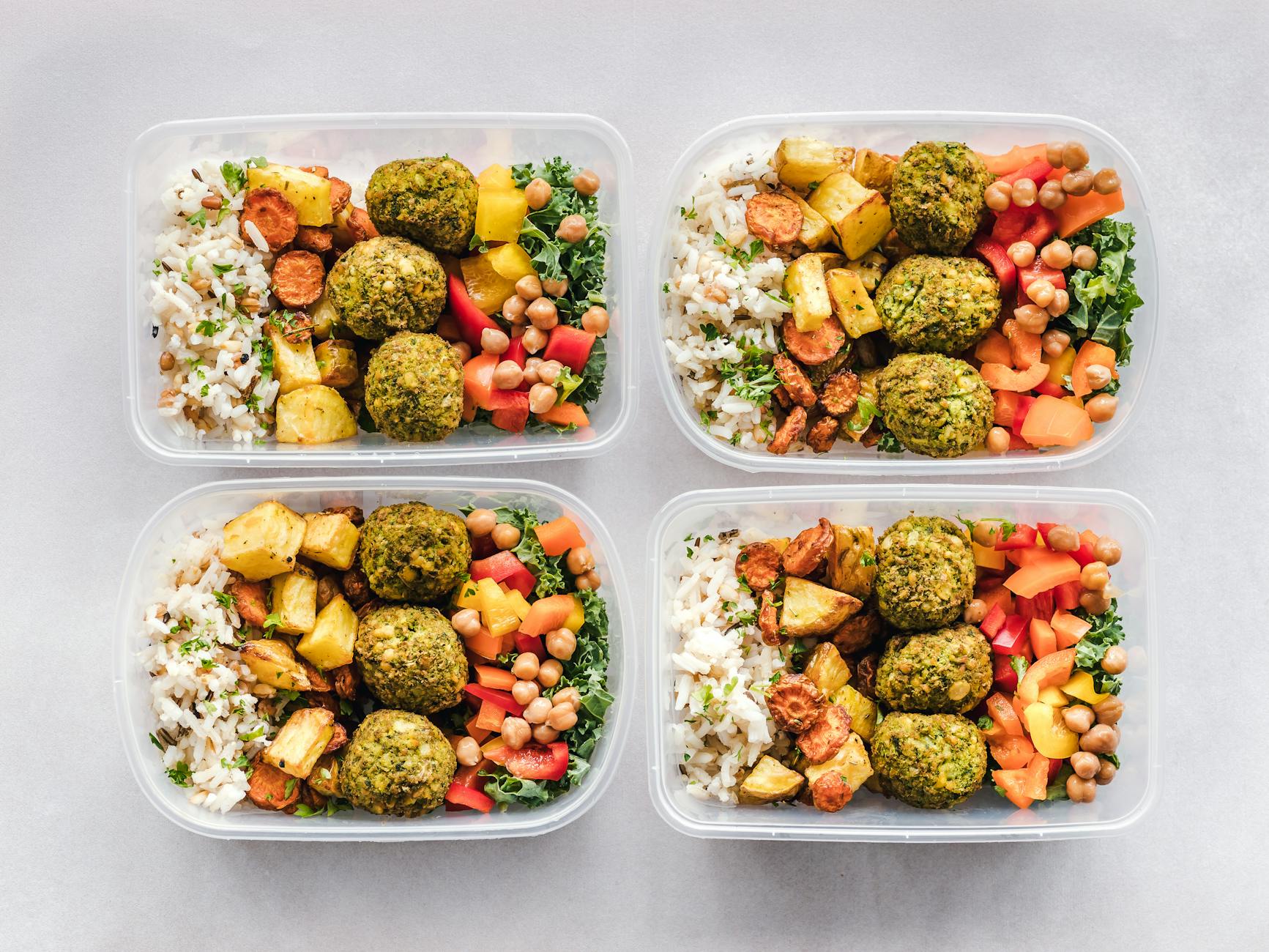
Choosing the appropriate containers is essential for effective meal prepping. Opt for reusable, airtight containers to keep your food fresh and portable. Compartmentalized designs help separate different meal components, preventing flavors from mixing. When deciding between glass and plastic, consider the following:

Glass Containers: Durable and resistant to staining, glass containers are microwave- and oven-safe, making them versatile for reheating. However, they are heavier and can break if mishandled.
Plastic Containers: Lighter and less prone to breaking, plastic containers are convenient for on-the-go use. Be cautious with heating, as some plastics may leach chemicals when exposed to high temperatures. 

3. Make a Weekly Plan

3. Make a Weekly Plan
Image Source: Pexels.

Planning your meals each week enhances efficiency, reduces stress, and minimizes food waste. By outlining your meals ahead of time, you can ensure a balanced diet and avoid last-minute unhealthy choices. Harvard’s School of Public Health recommends creating a meal plan that includes a variety of fruits, vegetables, whole grains, and lean proteins. This approach not only supports nutritional needs but also streamlines grocery shopping and meal preparation (harvard.edu).

4. Batch Cook Staples

4. Batch Cook Staples
Image Source: Pexels.

Batch cooking involves preparing ingredients like rice, grains, or proteins in large quantities to simplify mealtime assembly throughout the week. This practice contrasts with cooking each meal individually, which can be time-consuming and inefficient. By cooking staples in bulk, you can quickly combine them with fresh vegetables or sauces for a variety of meals, reducing daily cooking time and ensuring consistent, healthy options. For more information on batch cooking techniques, refer to eatingwell.com.

5. Shop with a Detailed Grocery List

5. Shop with a Detailed Grocery List
Image Source: Pexels.

Creating a comprehensive grocery list is essential for focused shopping and budget control. By planning your meals and listing the necessary ingredients, you can avoid impulse purchases and ensure you have all the items needed for your meal prep. For example, a well-organized list can help you resist buying unnecessary snacks or items not aligned with your meal plan. Real Simple offers a detailed checklist to assist with this process (goodhousekeeping.com).

6. Use Freezer-Friendly Recipes

6. Use Freezer-Friendly Recipes
Image Source: Pexels.

Preparing meals that freeze well, such as soups or casseroles, can extend freshness and save time later. For example, a hearty beef and bean chili or a comforting chicken and broccoli casserole can be made in bulk and frozen in individual portions for easy reheating. 

Compared to nightly cooking, batch cooking and freezing allow you to enjoy home-cooked meals without daily preparation. (thewickednoodle.com)

For a variety of freezer-friendly meal ideas, consider exploring the “Taste of Home Make It Freeze It” cookbook, which offers 295 make-ahead meals designed to save time and money (barnesandnoble.com).

7. Prep Ingredients, Not Just Meals

7. Prep Ingredients, Not Just Meals
Image Source: Pexels.

Preparing ingredients in advance—such as washing, chopping, and portioning—can significantly streamline your cooking process. This approach allows for quicker meal assembly and reduces daily cooking time. While prepping full meals ahead of time offers convenience, having raw ingredients ready provides flexibility to create a variety of dishes throughout the week. For more insights on prepping ingredients, refer to thekitchn.com.

8. Embrace One-Pot Meals

8. Embrace One-Pot Meals
Image Source: Pexels.

Preparing meals that cook in a single pan or slow cooker, such as chili or stews, can significantly enhance efficiency and reduce cleanup time. These one-pot dishes allow all ingredients to meld together, creating rich flavors while minimizing the number of utensils and cookware used. For a variety of one-pot meal ideas, explore foodnetwork.com.

9. Label Everything Clearly

9. Label Everything Clearly
Properly labeled containers enhance food safety and freshness while preventing spoilage.

Clearly labeling containers with their contents and preparation dates is essential to prevent spoilage and confusion. This practice helps ensure food safety by allowing you to monitor storage times and maintain freshness. Use waterproof markers or adhesive labels to indicate the date and contents. The Centers for Disease Control and Prevention (CDC) emphasizes the importance of proper food storage to prevent foodborne illnesses (cdc.gov).

10. Schedule Prep Times

10. Schedule Prep Times
Weekly meal prep fosters healthy eating habits and simplifies your culinary routine.

Designating a specific day each week for meal preparation can help establish a consistent routine, making healthy eating more manageable. By setting aside dedicated time, such as a few hours on a weekend, you can plan and prepare meals in advance, reducing daily cooking time and decision fatigue. This consistency supports habit formation and ensures you have nutritious options readily available throughout the week (healthline.com).

11. Make Use of Leftovers

11. Make Use of Leftovers
Image Source: Pexels.

Transforming leftovers into new dishes not only minimizes waste but also enhances convenience. For example, leftover roasted vegetables can be blended into a hearty soup, or extra rice can be turned into a quick fried rice. BBC Good Food offers a variety of recipes to help you creatively repurpose your leftovers.

12. Incorporate Ready-to-Eat Items

12. Incorporate Ready-to-Eat Items
Image Source: Pexels.

Utilizing pre-chopped vegetables, rotisserie chicken, or canned beans can significantly save time during meal preparation. While these convenience items may cost more than their whole counterparts, they can be a worthwhile investment for busy schedules. The USDA acknowledges that nutritious convenience foods can be part of a healthy diet when chosen wisely (dietaryguidelines.gov).

13. Store Meals at Eye Level

13. Store Meals at Eye Level
Image Source: Pexels.

Placing prepped meals at the front of the refrigerator encourages their use and reduces waste by making them the first items seen. This visibility can influence healthier food choices, as readily accessible options are more likely to be consumed. The Academy of Nutrition and Dietetics offers food storage tips to maximize freshness and safety (eatright.org).

14. Experiment with Flavors and Themes

14. Experiment with Flavors and Themes
Elevate meal prep with themed cuisines, transforming Tuesdays into a fiesta of flavors.

Introducing global cuisines or establishing weekly themes can make meal prepping more exciting. For instance, dedicating Tuesdays to Mexican-inspired dishes, like tacos, can add variety and anticipation to your meals. Bon Appétit offers a variety of themed meal ideas to inspire your culinary adventures (bonappetit.com).

15. Track Your Progress and Tweak

15. Track Your Progress and Tweak
Enhance meal prep efficiency through reflection, tracking, and habit monitoring for improved results.

Regularly reflecting on your meal prepping routines and tracking your progress can help identify what works and where adjustments are needed. Utilizing journaling or habit-tracking apps can assist in monitoring time saved and meals enjoyed, providing valuable insights for improvement. Research indicates that habit tracking can enhance self-awareness and support behavior change (arxiv.org).

Wrapping Up: Make Meal Prep Realistic for You

Wrapping Up: Make Meal Prep Realistic for You
Master meal prepping for efficiency and health with tailored, sustainable strategies.

Implementing meal prepping strategies—such as starting simple, investing in the right containers, and planning meals ahead—can significantly enhance your efficiency and health. Tailoring these practices to fit your lifestyle and starting with manageable steps will help you build sustainable habits. Consistency is key; over time, these routines will become second nature, making healthy eating more attainable and less time-consuming. Remember, the goal is to make meal prepping work for you, not the other way around (goodrx.com).

Advertisement