Promptly addressing water leaks can prevent costly repairs, mold issues, and wasted water. Regularly inspect areas under sinks and around appliances for signs of moisture (homedepot.com). Early detection and repair are crucial to avoid significant damage and expenses.
Ensure proper drainage by regularly cleaning gutters to protect your home’s foundation from water damage.
Regularly cleaning your gutters and downspouts is essential to prevent water from pooling around your home’s foundation, which can lead to costly repairs. Clogged gutters can cause water to overflow, saturating the soil near the foundation and increasing the risk of basement flooding. By maintaining clear gutters, you ensure proper drainage, protecting your home from potential water damage and erosion. (angi.com)
Scheduling annual HVAC maintenance enhances system efficiency, extends equipment lifespan, and reduces the risk of costly breakdowns. Regular servicing can improve energy efficiency by up to 25%, leading to significant savings on utility bills. Additionally, well-maintained systems can last up to 20 years, whereas neglected units may fail within 10 years. Proactive maintenance also helps identify minor issues before they escalate into major problems, preventing expensive emergency repairs. (rescueheatandair.com)
Enhancing air quality and efficiency through regular HVAC filter replacements.
Regularly replacing your HVAC system’s air filters enhances energy efficiency, improves indoor air quality, and extends system lifespan. Clean filters allow for optimal airflow, reducing strain on the system and lowering energy consumption. They also trap dust, pollen, and other pollutants, promoting healthier air. Neglecting to change filters can lead to increased energy costs and potential system failures. For more information, visit HVAC.com.
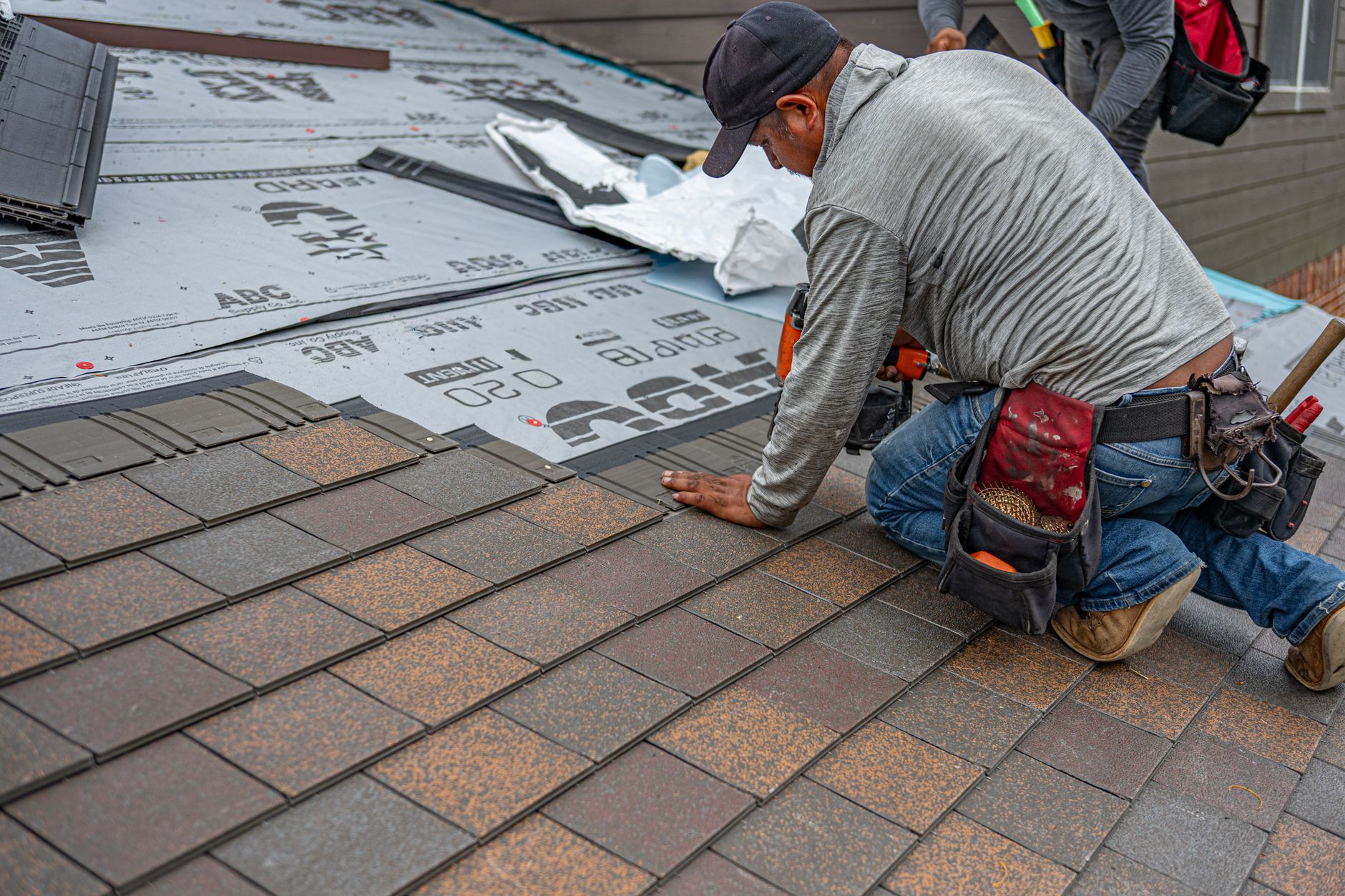
Regularly inspecting your roof for missing shingles and minor damage is crucial in preventing larger water damage and costly structural repairs. By identifying and addressing issues early, you can avoid more extensive damage and the associated expenses. Professional roof inspections can help detect hidden problems that may not be visible from the ground. For more information on roof inspections, visit Outback Roofing.
Ensure your sump pump is ready for rain by testing it regularly before the season.
Regularly testing your sump pump before the rainy season is essential to prevent basement flooding and costly water damage. By simulating rainfall, you can ensure the pump activates correctly and efficiently removes water. This proactive maintenance helps identify potential issues early, reducing the risk of unexpected failures during heavy rains. For a comprehensive guide on testing your sump pump, refer to this resource: (uswaterproofing.com)
Resealing windows and doors is a cost-effective strategy to enhance your home’s energy efficiency and comfort. By addressing gaps and leaks, you can reduce drafts and moisture intrusion, leading to lower heating and cooling costs. The U.S. Department of Energy estimates that sealing air leaks can save homeowners up to 20% on heating and cooling expenses. (energystar.gov) Additionally, properly sealed windows and doors help maintain consistent indoor temperatures, improving overall comfort.
Annual flushing of your water heater boosts efficiency, prolongs lifespan, and prevents costly repairs.
Flushing your water heater annually removes sediment buildup, enhancing heating efficiency and extending the unit’s lifespan. Sediment accumulation can reduce heating efficiency by up to 30%, forcing the system to run longer and consume more energy just to maintain the same water temperature. Flushing removes abrasive mineral deposits, allowing heat to transfer more effectively and shortening recovery times. Regular flushing also helps prevent corrosion, leaks, and premature tank failure, ensuring consistent hot water supply and reducing the need for costly repairs or replacements (coldisontheright.com).
Regular tree trimming safeguards property from storm damage and reduces costly repairs.
Regularly trimming overhanging trees is essential to prevent property and roof damage during storms, thereby avoiding major repair expenses. Removing weak, dead, or diseased branches reduces the risk of them breaking off and causing harm. Thinning the canopy allows wind to pass through more easily, decreasing the likelihood of the tree uprooting or shedding limbs. Additionally, pruning branches that extend over the roof minimizes the chance of them scraping against shingles or causing other damage (treeworkmd.com).
Regular hose inspections and replacements prevent leaks and costly water damage in appliances.
Regularly inspecting and replacing cracked or old hoses on washers and dishwashers is crucial to prevent water damage and avoid extensive repairs. Over time, hoses can deteriorate, leading to leaks that may cause significant water damage. It’s recommended to replace washing machine hoses every 3 to 5 years, regardless of their appearance, to mitigate the risk of failure. Additionally, using braided stainless steel hoses can enhance durability and reduce the likelihood of leaks (checkbook.org). Regular maintenance and timely replacement of these hoses can save homeowners from costly water damage repairs.
Maintain clean dryer vents to enhance safety, efficiency, and appliance longevity.
Regularly cleaning your dryer vents is essential for reducing fire risks and extending appliance lifespan. Lint buildup in the vent system is highly flammable and can lead to overheating, increasing the risk of a fire. Additionally, a clogged vent forces the dryer to work harder, consuming more energy and accelerating wear on internal components. By maintaining clean vents, you enhance safety, improve efficiency, and save money on potential repairs or replacements (mrappliance.com).
Regular maintenance of smoke and CO detectors enhances safety and reduces fire-related risks.
Regularly maintaining smoke and carbon monoxide (CO) detectors is essential for home safety and can lead to significant cost savings. Properly installed and maintained detectors reduce the risk of fire-related injuries and fatalities by providing early warning, allowing for timely evacuation. The National Fire Protection Association (NFPA) reports that the risk of death in a home fire is reduced by 60% when an operable smoke detector is installed in the home (ocwr.gov). Additionally, ensuring these detectors are functioning properly can prevent costly property damage and medical expenses associated with fire or CO incidents. Regular testing and timely battery replacement are simple yet effective measures to maintain detector functionality. The U.S. Consumer Product Safety Commission (CPSC) recommends replacing batteries in smoke and CO alarms at least once a year and testing them monthly to ensure they are operating properly (dhs.gov). By investing a small amount of time and effort into maintaining these devices, homeowners can safeguard their families and avoid substantial financial burdens.
Regularly inspecting your home’s foundation for cracks is crucial to prevent minor issues from escalating into costly structural repairs. Addressing small cracks promptly can save homeowners between $250 and $1,000, depending on the severity and repair method. Neglecting these signs may lead to more significant problems, with repair costs ranging from $2,000 to $35,000 or more for extensive damage (nerdwallet.com). Early detection and repair not only preserve the structural integrity of your home but also protect your investment by avoiding expensive future repairs.
Regularly replacing old caulk in bathtubs and showers is essential to prevent water seepage and mold growth, thereby avoiding costly water damage and tile repairs. The average cost to re-caulk a bathtub ranges from $50 to $200, depending on whether you choose to do it yourself or hire a professional (homeguide.com). Neglecting to replace deteriorating caulk can lead to water pooling around the tub during showers, which may indicate caulk or grout failure (angi.com). Addressing these issues promptly helps maintain a watertight seal, protecting your bathroom from potential water damage and the associated repair expenses.
Scheduling regular pest inspections is vital for early detection of infestations, preventing structural damage, and safeguarding health. Pests like termites can cause significant property damage, with termites alone responsible for over $5 billion in property damage annually in the U.S. Additionally, rodents and cockroaches can carry diseases harmful to humans (defensepestcontrol.com). By proactively addressing pest issues, homeowners can avoid costly repairs and health risks associated with extensive infestations.