Older homes possess a unique charm and character that many modern constructions lack. From intricate architectural details to established neighborhoods, these properties offer distinctive advantages. In this article, we’ll explore 15 compelling reasons to consider older homes, highlighting their appeal and potential benefits.
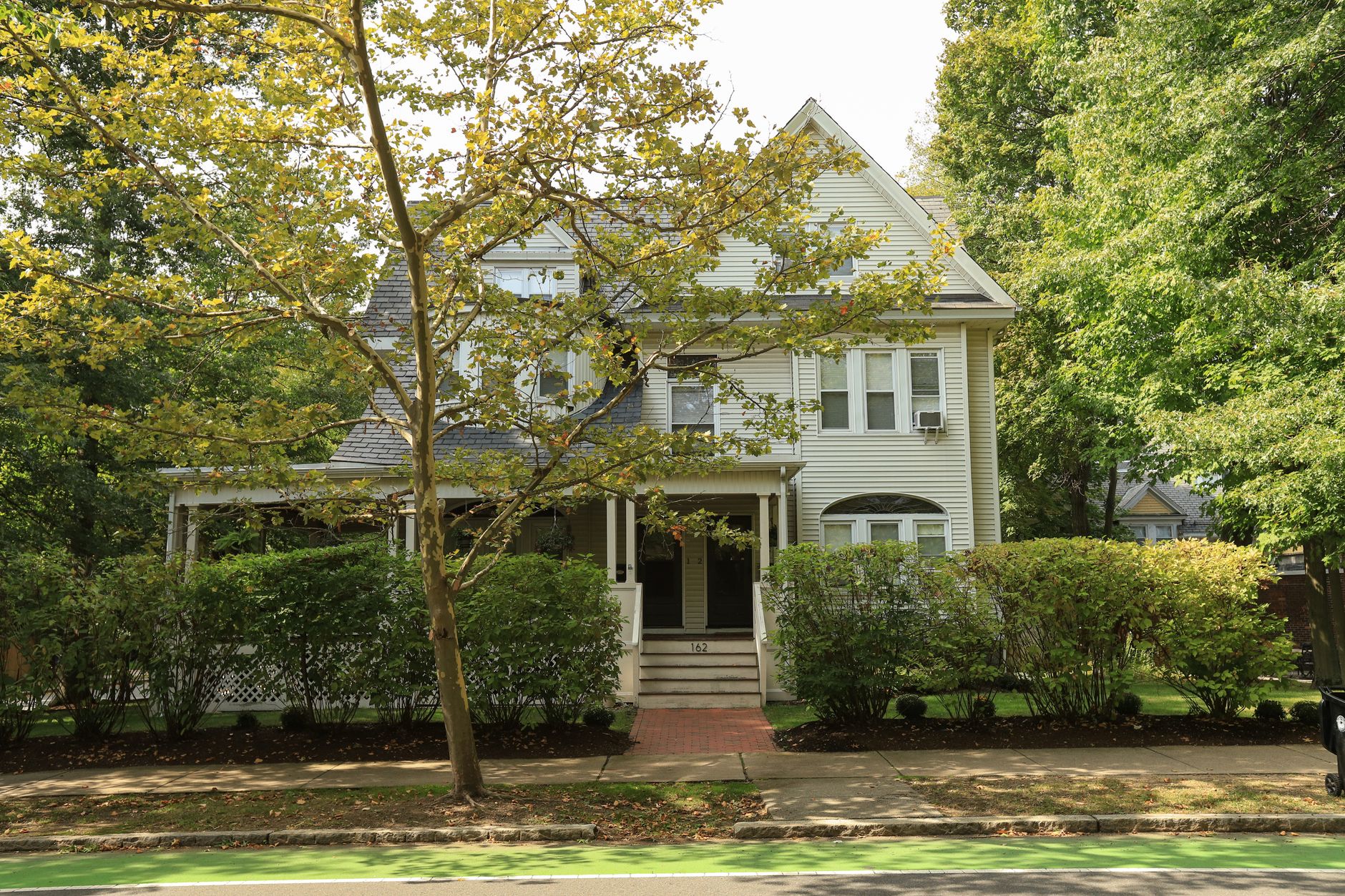
Older homes often showcase unique architectural designs, including Victorian, Craftsman, and Colonial styles, which are rarely found in newer constructions. These styles offer character and curb appeal that stand out in any neighborhood. Victorian homes are known for their ornate detailing and asymmetrical facades, Craftsman homes emphasize handcrafted elements and natural materials, and Colonial homes feature symmetrical designs and classic proportions. Each style provides a distinct aesthetic that adds charm and individuality to a property (dunnlumber.com).
Older homes often showcase high-quality materials and meticulous attention to detail, setting them apart from mass-produced elements in modern builds. For instance, many historic homes feature solid hardwood floors and detailed woodwork, reflecting the craftsmanship of their time. This superior craftsmanship not only enhances the aesthetic appeal but also contributes to the durability and longevity of these homes (savingplaces.org).
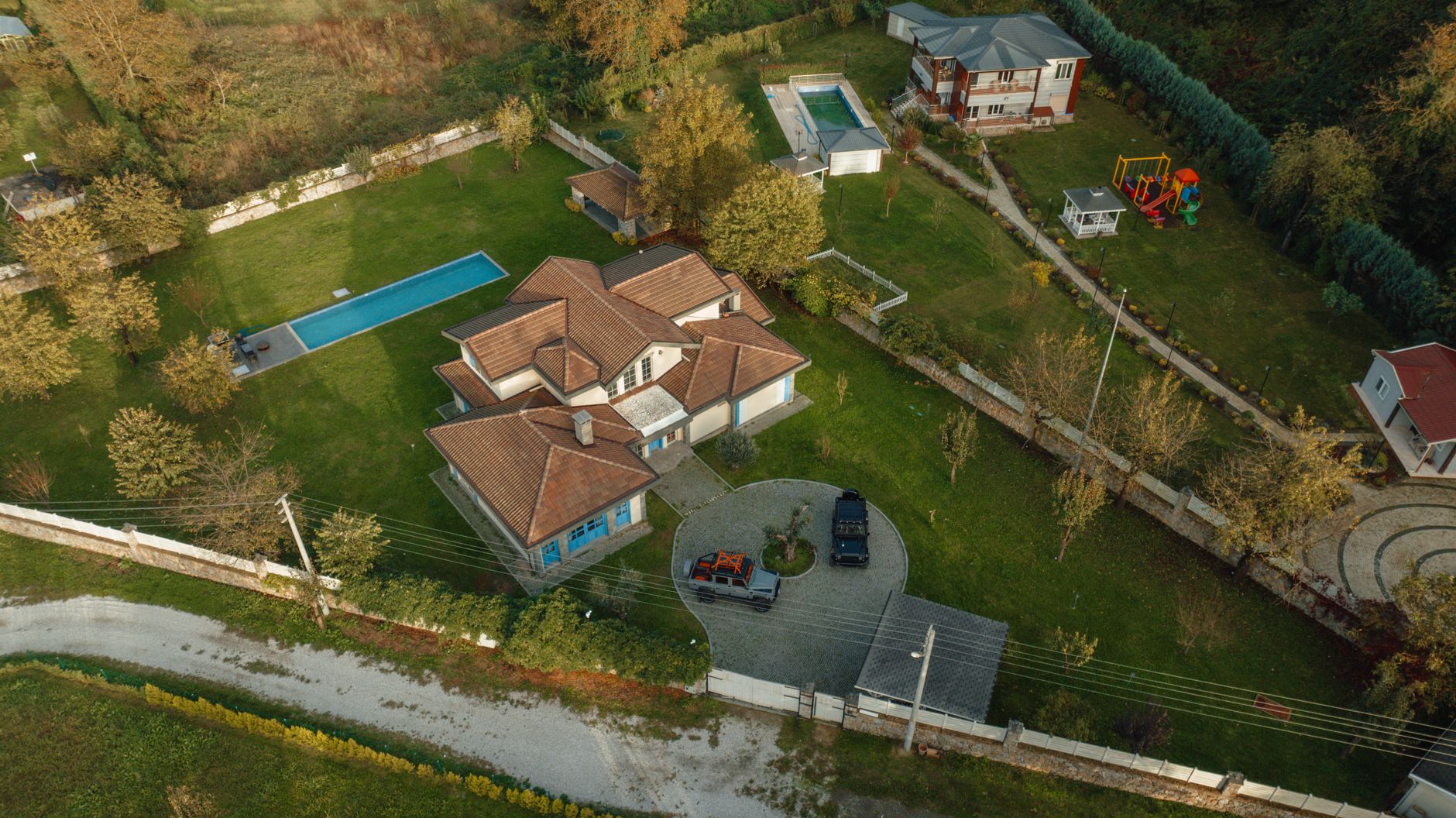
Older homes often come with larger lots compared to more recent constructions, offering extensive yards for gardening, recreation, or expansion. For example, single-family homes built before the 1960s typically had median lot sizes of 0.25 acres, while those built in the 2000s had median lot sizes of 0.25 acres. This trend reflects a shift towards smaller lot sizes in newer developments (census.gov).
Older homes are often situated in well-established neighborhoods, offering a sense of community and stability. These areas typically feature mature trees, parks, and schools that have been around for years, providing a settled and familiar environment. The presence of local coffeehouses, shops, and restaurants adds to the convenience and charm of these communities. Additionally, established neighborhoods often have more stable property values and a track record of growth, which can provide confidence in the investment (rollingout.com).
Older homes, especially those in historic or revitalizing districts, often present opportunities for appreciation. For instance, in the Washington, D.C. metro area, nearly 60% of homes sold in 2024 were 30 years old or older, indicating a strong market for such properties. Renovations can further boost value; adding an extension or loft conversion can increase property value by 24%, while adding a bedroom can raise it by 13% (moneyweek.com).
Older homes often boast original features like crown moldings, pocket doors, and built-in cabinetry that add character and are prized by many homeowners. These elements reflect the craftsmanship and attention to detail of their time, offering a unique charm that is often difficult to replicate in modern constructions. For instance, pocket doors, which slide into the walls, save space and add elegance, while built-in cabinetry provides functional storage solutions that blend seamlessly with the home’s design (apartmenttherapy.com).
Timeless durability: Historic homes showcase enduring materials like brick, stone, and old-growth timber.
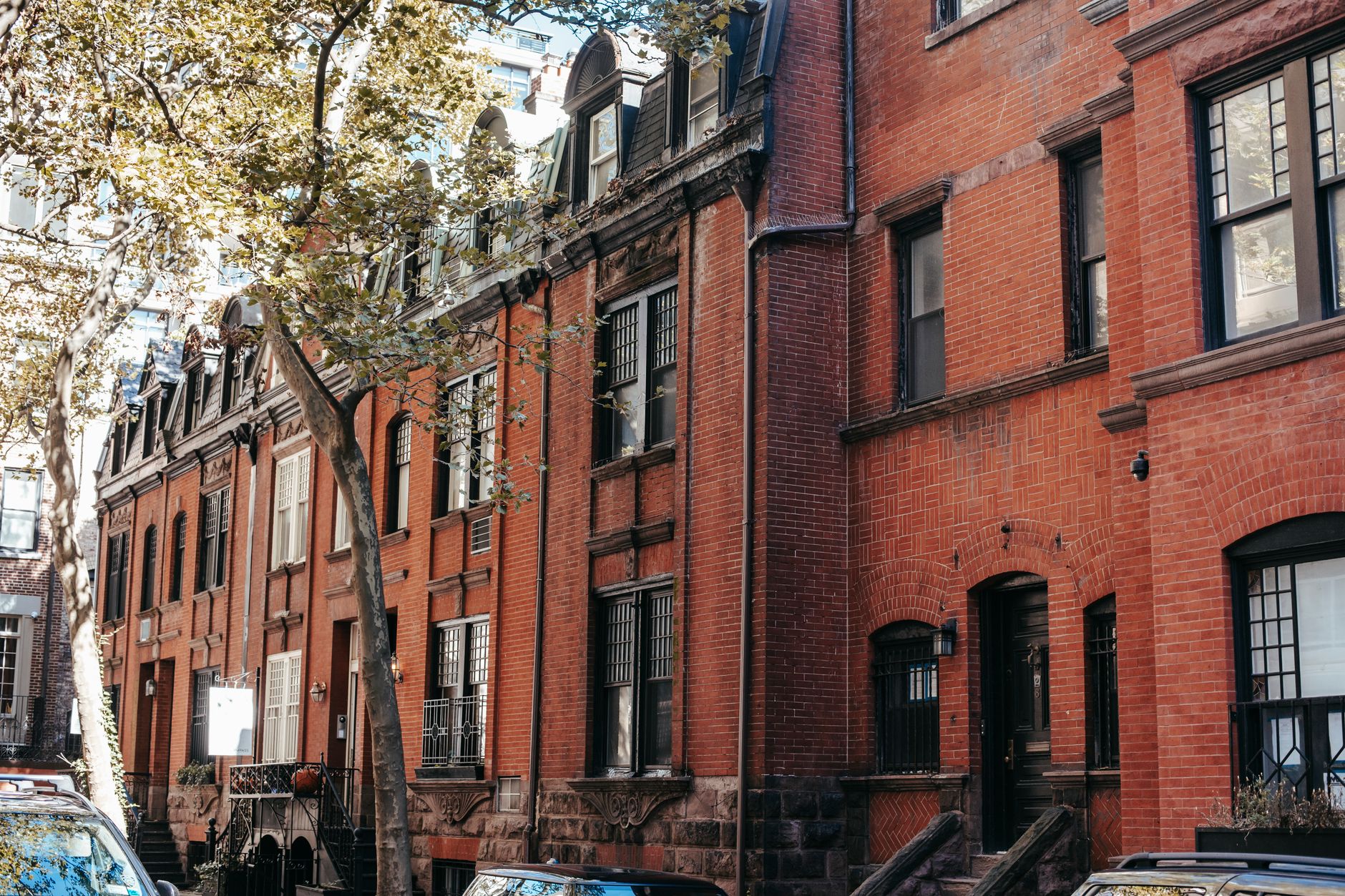
Older homes often feature durable building materials such as brick, stone, and old-growth timber, contributing to their longevity and resilience. For example, many historic homes were constructed using solid hardwood flooring made from old-growth timber, which is far more durable than the engineered or mass-produced flooring available today. Additionally, stone and brick have been iconic elements of historic homes, providing both aesthetic appeal and long-term durability (centuryhomesamerica.com). These materials not only enhance the structural integrity of the home but also offer a timeless aesthetic that is often difficult to replicate in modern constructions.
Older homes often provide a blank canvas for personalization, allowing homeowners to modernize spaces or restore historical elements. For instance, matching historic moldings can preserve a home’s character while updating its functionality. Additionally, repurposing unused spaces, such as attics or basements, can create functional rooms without altering the home’s footprint (thisoldhouse.com).
Enhancing older homes with modern windows and insulation boosts energy efficiency and comfort.
Retrofitting older homes with modern windows and insulation can significantly enhance their energy efficiency, often surpassing the energy use of new builds after upgrades. For example, replacing single-pane windows with ENERGY STAR® qualified windows can reduce heat loss and improve comfort. Additionally, adding insulation to attics and walls helps maintain consistent indoor temperatures, leading to substantial energy savings (energy.gov).
Many older homes are situated near city centers, parks, and established amenities, providing convenience and often higher walkability than newer suburbs. This prime location offers easy access to cultural attractions, dining, and entertainment options, enhancing the overall living experience. Additionally, established neighborhoods often have more stable property values and a track record of growth, which can provide confidence in the investment (nar.realtor).
Some older homes are listed in the National Register of Historic Places, recognizing their significance in American history. This designation can instill a sense of pride and enhance resale appeal. For instance, properties like Monticello and the Brooklyn Bridge are celebrated for their historical importance (nps.gov).
Owning a historically significant home can make you eligible for local, state, or federal tax credits or grants for preservation and renovation work. The Federal Historic Preservation Tax Incentives program offers a 20% income tax credit for the rehabilitation of certified historic structures. To qualify, the building must be listed individually in the National Register of Historic Places or contribute to a registered historic district. The rehabilitation work must meet the Secretary of the Interior’s Standards for Rehabilitation. Additionally, the project must be substantial, with qualified rehabilitation expenditures exceeding the greater of $5,000 or the building’s adjusted basis. It’s important to note that owner-occupied residential properties do not qualify for this federal rehabilitation tax credit. State and local programs may offer additional incentives, such as grants or tax credits, to encourage the preservation of historic properties. These programs vary by location, so it’s advisable to consult with your State Historic Preservation Office or local government to learn about available incentives in your area. Before proceeding with any rehabilitation work, it’s recommended to consult with a tax professional or accountant to understand how these incentives may apply to your specific situation. Additionally, contacting your State Historic Preservation Office can provide guidance on the application process and eligibility requirements for these programs (nps.gov).
Mature trees and established landscaping significantly enhance a property’s value and appeal. Homes with mature trees can see an increase in property value by up to 15%, as these trees provide shade, privacy, and aesthetic beauty that new plantings take decades to achieve. Additionally, mature trees improve air quality by filtering pollutants and offer habitat for local wildlife, contributing to a healthier and more vibrant environment (greenwichtreeconservancy.org).
Sellers of older homes may be more open to negotiation on price or terms, offering a chance to secure a better deal compared to new-build sellers. Factors such as the property’s age, condition, and time on the market can influence a seller’s willingness to negotiate (redfin.com). Conducting thorough research and understanding the seller’s motivations can provide leverage in negotiations.
Older homes are often part of neighborhoods with strong traditions, such as block parties, local events, and a sense of continuity that builds lasting community ties. These established communities foster a sense of shared history and identity, creating a welcoming environment where residents actively participate in communal activities, strengthening bonds and enhancing the overall quality of life (savingplaces.org).
Older homes offer unique advantages, including distinctive architectural styles, superior craftsmanship, and established neighborhoods with mature landscaping. These properties often provide larger lot sizes and the potential for increased value through renovations. Embracing these opportunities can lead to a rewarding homeownership experience, making older homes a compelling choice in today’s real estate market (thebalancemoney.com).