As the demand for sustainable energy solutions grows, installing solar panels in your home has become an increasingly popular choice. This shift not only offers significant environmental benefits but also presents economic advantages. By harnessing solar energy, homeowners can reduce their carbon footprint and potentially lower energy costs. However, transitioning to solar power involves careful consideration of various factors, including installation costs, system maintenance, and energy efficiency. In this article, we’ll explore key aspects to ensure a successful integration of solar panels into your home.
Assess your home’s solar potential with tools like Project Sunroof for personalized evaluations.
Evaluating your home’s suitability for solar panels involves analyzing factors such as sunlight exposure, roof orientation, and shading from nearby structures or trees. Tools like Google’s Project Sunroof can assist in this assessment by providing personalized evaluations based on your location. By entering your address, you can receive an estimate of your roof’s solar potential, including potential savings and suitable installation options.
Explore the three primary solar panel types: monocrystalline, polycrystalline, and thin-film for optimal efficiency.
When considering solar panel installation, it’s essential to understand the three primary types: monocrystalline, polycrystalline, and thin-film panels. Each type offers distinct advantages, costs, and efficiency levels, making them suitable for different applications.
Monocrystalline Panels
Monocrystalline panels are made from a single continuous crystal structure, allowing electrons to flow more freely and resulting in higher efficiency rates, typically between 20% and 24%. They are known for their longevity, often lasting 25 to 30 years. However, they are generally more expensive due to the complex manufacturing process. These panels are ideal for residential installations where space is limited, as they produce more electricity per square foot. (ohmsnap.com)
Polycrystalline Panels
Polycrystalline panels are constructed from multiple silicon crystals melted together. This manufacturing process is less energy-intensive, making them more affordable, with efficiency rates ranging from 15% to 18%. Their lifespan is slightly shorter, averaging 20 to 25 years. These panels are suitable for larger installations where space is abundant, offering a cost-effective solution for homeowners with ample roof space.
Thin-Film Panels
Thin-film panels are made by depositing photovoltaic material onto a substrate, resulting in a lightweight and flexible design. They have lower efficiency rates, typically between 10% and 13%, and a shorter lifespan of 15 to 20 years. Despite these drawbacks, they are less expensive and perform better in high-temperature conditions. Thin-film panels are best suited for large commercial projects or off-grid applications where space is not a constraint. (ohmsnap.com)
Investing in solar panels offers significant long-term savings and minimal maintenance costs.
Installing solar panels involves an initial investment, with average costs around $30,500 for a 12 kW system. (energysage.com) However, this upfront expense is offset by substantial long-term savings on energy bills. Homeowners typically save between $37,000 and $154,000 over 25 years. Maintenance costs are minimal, as solar panels require little upkeep over their 25+ year lifespan. For a personalized cost-benefit analysis, consider using EnergySage’s cost analysis tool.
Unlock substantial savings on solar panel installations through federal and state incentives and tax credits.
Exploring federal and state incentives, tax credits, and rebates can significantly reduce the cost of installing solar panels. For instance, the federal Residential Renewable Energy Tax Credit offers a 30% credit on the cost of solar systems. Additionally, states like New York provide personal tax credits up to $5,000 for solar installations. (dsireusa.org) To find the most current and applicable incentives in your area, consult the Database of State Incentives for Renewables & Efficiency (DSIRE).
When selecting a solar installer, it’s crucial to compare licensed and reputable professionals. Reading customer reviews and requesting multiple quotes can help you make an informed decision. Look for installers who are certified by the North American Board of Certified Energy Practitioners (NABCEP), as this certification demonstrates a high level of expertise and commitment to industry standards. (nabcep.org)
When investing in solar panels, it’s essential to understand the various warranty types to ensure long-term protection. Manufacturers typically offer two main warranties:
Product Warranty: Covers defects in materials and workmanship, usually lasting 10-12 years. Performance Warranty: Guarantees a certain level of power output over time, often ensuring at least 80% of the original capacity after 25 years.
To ensure comprehensive coverage, review the specific terms and conditions of each warranty, including any maintenance requirements that might affect coverage. For more detailed information on solar warranties, refer to the Department of Energy’s guide (energy.gov).
Net metering is a billing arrangement that allows homeowners with solar panels to send excess electr…
Net metering is a billing arrangement that allows homeowners with solar panels to send excess electricity back to the grid, effectively spinning their meters backward. This process generates credits that offset future energy consumption, leading to reduced utility bills. However, net metering policies vary by state and utility, and some regions have transitioned to alternative programs. For instance, California’s Public Utilities Commission adopted the Net Billing program, replacing the previous Net Energy Metering 2.0 (NEM 2.0) program. Under Net Billing, excess electricity is credited at the utility’s avoided cost rate, which is typically lower than the retail rate. It’s essential to understand the specific net metering or billing policies in your area to fully benefit from your solar investment. For more detailed information, refer to the Solar Energy Industries Association’s guide on net metering (seia.org).
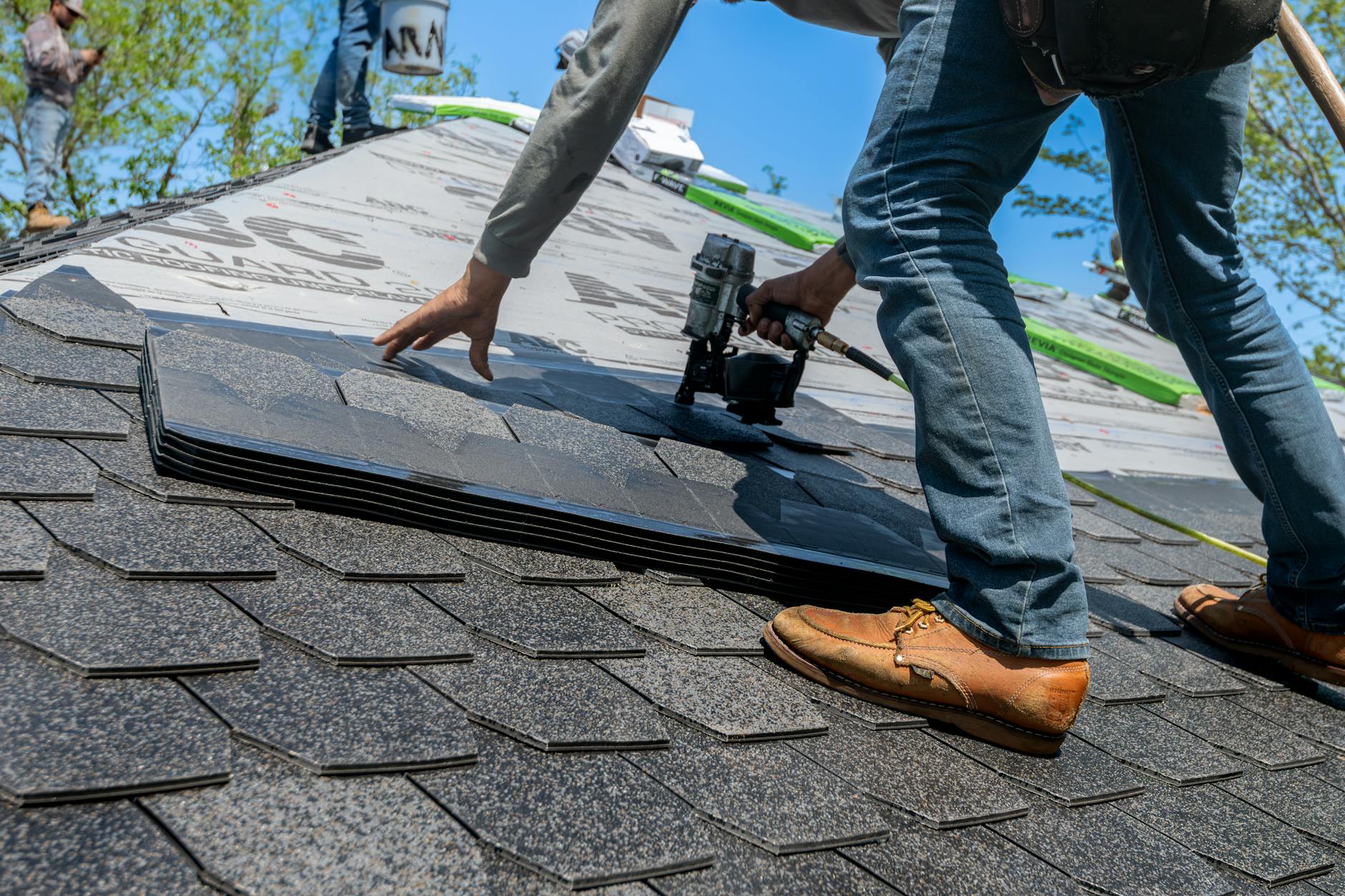
Before installing solar panels, it’s essential to assess your roof’s age, durability, and structural integrity. Roofs nearing the end of their lifespan may require replacement to support the additional weight and ensure long-term performance. Minor repairs can cost between $400 and $1,800, while full replacements range from $5,700 to $12,500, depending on materials and complexity. Consulting HomeAdvisor’s guidelines can help you decide between repair and replacement options. (modernize.com)
Maintaining your solar panels is essential for optimal performance and longevity. Regular maintenance includes:
Cleaning: Periodic removal of debris and dirt to ensure maximum sunlight absorption. The frequency depends on environmental factors such as dust levels and local wildlife (cleanenergycouncil.org.au). Monitoring: Regularly checking system performance to identify and address issues promptly. This can involve reviewing inverter displays and system outputs. Inspections: Periodic professional assessments to ensure all components are functioning correctly and to detect potential problems early.
Adhering to a consistent maintenance schedule, as recommended by your installer or the equipment manufacturer, will help ensure your solar system operates efficiently over its expected 25 to 30-year lifespan. For detailed guidelines, refer to the Clean Energy Council’s maintenance recommendations. (cleanenergycouncil.org.au)
10. Understanding Homeowner Association (HOA) Regulations
Image Source: Pexels.
Before installing solar panels, it’s crucial to review your HOA’s rules and neighborhood covenants, as they can influence panel placement and aesthetics. Many states have enacted solar access laws that prevent HOAs from outright prohibiting solar installations. However, HOAs may impose reasonable restrictions regarding the appearance and placement of panels. For instance, they might require panels to be parallel to the roofline or to conform to the roof’s slope. To navigate these regulations effectively, consult the U.S. Department of Energy’s guidance on solar rights for homeowners. (energy.gov)
When considering solar panel installations, it’s essential to understand the differences between grid-tied, off-grid, and hybrid systems to determine which best aligns with your energy needs and location.
Grid-Tied Systems
Grid-tied systems are connected to the utility grid, allowing homeowners to draw electricity when solar production is insufficient and to send excess energy back to the grid, often earning credits through net metering. This setup is cost-effective and suitable for areas with reliable grid access. However, during power outages, these systems typically do not provide backup power unless equipped with battery storage. (solarreviews.com)
Off-Grid Systems
Off-grid systems operate independently of the utility grid, relying on solar panels and battery storage to supply all energy needs. This configuration is ideal for remote locations without grid access but requires a significant investment in batteries and may necessitate lifestyle adjustments to manage energy consumption effectively.
Hybrid Systems
Hybrid systems combine solar panels, battery storage, and a connection to the utility grid. They offer the benefits of both grid-tied and off-grid systems, providing backup power during outages and the ability to send excess energy to the grid. This setup is suitable for areas with unreliable grid access or where energy independence is desired without the full expense of an off-grid system. (solarreviews.com)
When considering solar panel installation, evaluating various financing options is crucial to determine the most cost-effective approach for your situation. The primary methods include purchasing outright, taking out a loan, entering a lease agreement, or engaging in a power purchase agreement (PPA). Each option has distinct advantages and considerations.
Purchasing Outright
Paying for your solar system upfront allows you to own the equipment and benefit fully from energy savings and available tax incentives. This approach typically offers the highest long-term financial return, as you avoid interest payments and retain all system benefits. However, the initial investment can be substantial, often ranging from $15,000 to $20,000 after tax credits. (consumerreports.org)
Solar Loans
Solar loans enable you to finance the purchase of your system over time. Options include home equity loans, which often have lower interest rates due to your home’s equity serving as collateral, and unsecured loans, which don’t require collateral but may come with higher rates. Interest paid on these loans may be tax-deductible.
Leases and Power Purchase Agreements (PPAs)
Leasing involves paying a fixed monthly amount to use the solar system, while a PPA entails paying for the electricity generated at a predetermined rate. Both options typically require little to no upfront cost. However, the savings are generally lower compared to purchasing, and you may miss out on tax incentives. Additionally, leases and PPAs can complicate the sale of your home, as new owners may be hesitant to assume existing agreements. (consumerreports.org)
Installing solar panels involves several key phases, each with its own timeline:
Permitting and Utility Approvals: Obtaining necessary permits and approvals from local authorities and utility companies can take 4-6 weeks, often being the longest part of the process. (us.sunpower.com) Professional Installation: Once approvals are in place, the installation typically takes 1-2 days, depending on system complexity and roof conditions. Inspections and Interconnection: After installation, inspections by local authorities and utility companies are required before the system can be connected to the grid and activated.
External factors such as weather conditions, local regulations, and the efficiency of permitting processes can influence the overall project duration. For a detailed overview of the installation process, refer to SunPower’s guide.
14. Environmental Impact and Carbon Footprint Reduction
Image Source: Pexels.
Installing solar panels significantly reduces greenhouse gas emissions, contributing to a cleaner environment. By generating electricity from renewable sources, solar energy decreases reliance on fossil fuels, thereby lowering carbon footprints. For instance, the U.S. Environmental Protection Agency’s Greenhouse Gas Equivalencies Calculator estimates that producing 1 megawatt-hour of electricity from solar energy is equivalent to preventing the emission of approximately 0.92 metric tons of CO₂. (epa.gov)
This reduction is comparable to removing the annual CO₂ emissions of about 200 gallons of gasoline consumed. By adopting solar energy, homeowners and businesses can play a pivotal role in mitigating climate change and promoting sustainable energy practices.
Enhancing your solar panel system’s capabilities involves considering scalability, integrating battery storage, implementing system monitoring, and staying informed about technological advancements. Adding battery storage allows you to store excess energy for later use, providing backup during outages and optimizing energy consumption. System monitoring tools enable real-time performance tracking, helping identify issues promptly and ensuring efficient operation. Advancements in solar technology continue to improve efficiency and reduce costs, making it beneficial to stay updated on new developments. For comprehensive guidance on these upgrades, refer to Solar United Neighbors’ resources. (solarunitedneighbors.org)
Installing solar panels offers significant environmental and economic benefits, including reduced greenhouse gas emissions and long-term energy savings. To ensure a successful installation, it’s essential to assess your home’s suitability, understand financing options, and navigate the installation process carefully. Thorough research and planning will help you make informed decisions, leading to a sustainable and cost-effective solar energy solution. For more detailed information, refer to the U.S. Department of Energy’s guide on solar energy. (energy.gov)