How To Enforce A No-Shoes Rule In Your Home

darren - May 7, 2026
Share

Shoes can track dirt, allergens, and germs into living spaces, potentially impacting cleanliness and health. Enforcing a no-shoes rule offers benefits such as improved hygiene, reduced cleaning, and increased floor longevity. However, making this rule stick requires more than a simple request. Here’s how to implement a no-shoes policy seamlessly and effectively, avoiding awkwardness with family, roommates, and guests.

1. Communicate Clearly and Early

1. Communicate Clearly and Early
Clear communication about shoe policies fosters cleanliness and understanding among guests and household members.

Set the tone with new guests and household members by communicating your policy upfront. A polite explanation—”We keep shoes off inside to help keep things clean”—sets expectations. Open communication minimizes confusion and helps everyone understand the reason for the rule. The CDC highlights how footwear can carry contaminants indoors (cdc.gov).

2. Place a Shoe Rack by the Entrance

2. Place a Shoe Rack by the Entrance
A stylish shoe rack at the entryway encourages organization and enhances home aesthetics.

Designate a clear spot at your entryway for shoes. A prominent, accessible shoe rack or bench signals guests to remove their shoes. This visual cue creates a natural habit and avoids clutter. Comparing shoe racks, cubbies, and organizer benches can help choose what fits your space best. For a curated selection, consider exploring options from Architectural Digest.

3. Offer Guest Slippers or Socks

3. Offer Guest Slippers or Socks
Welcoming guests with clean slippers or socks enhances comfort and hospitality in any home.

Providing clean slippers or socks for guests is both welcoming and practical. It shows hospitality while discouraging barefoot walking, especially in cooler climates or for those with foot sensitivity. Some families keep a mix of washable slippers and soft socks in various sizes. For a curated selection, consider exploring options from The New York Times.

4. Use Signage to Remind Visitors

4. Use Signage to Remind Visitors
A stylish sign near the entrance elegantly encourages guests to remove their shoes.

A tasteful sign near the door serves as a gentle visual reminder. Signs can range from decorative plaques to simple DIY prints. Messaging like “Please remove your shoes” or “Shoes off—thank you!” blends function with style. For inspiration, consider exploring options from Good Housekeeping.

5. Create a Mudroom or Entryway Mat System

5. Create a Mudroom or Entryway Mat System
Enhance entryways with layered mats to keep your home clean and welcoming.

If space allows, a mudroom or strategic placement of floor mats in the entry zone helps contain outdoor debris. Layering coarse and absorbent mats encourages everyone to wipe shoes before removing, keeping the rest of the home cleaner. For inspiration on mudroom designs and mat systems, consider exploring ideas from The Home Depot.

6. Set an Example

6. Set an Example
Household leaders set the standard; consistency in behavior shapes children’s expectations.

Consistency starts with household leaders. Don’t make exceptions for yourself, as others will likely follow your behavior. Children, especially, imitate adults, so modeling the rule sets expectations early. (uw.edu)

7. Explain the Health and Home Benefits

7. Explain the Health and Home Benefits
Shoes can harbor harmful germs and chemicals, highlighting the importance of indoor cleanliness.

Highlight how shoes carry germs, allergens, and chemicals indoors. Studies have found that shoes can transport bacteria like E. coli and Clostridium difficile, as well as pesticides and other harmful substances. Removing shoes reduces the risk of allergies and minimizes indoor toxins, promoting a healthier home environment. (healthline.com)

8. Make Exceptions for Accessibility or Medical Needs

8. Make Exceptions for Accessibility or Medical Needs
Supportive footwear solutions for age-related and medical needs enhance comfort and safety.

Offer flexibility for those needing supportive footwear due to age, disability, or medical devices. In such cases, consider options like clean indoor-only shoes or disposable shoe covers. (clevelandclinic.org)

9. Keep Entryways Tidy and Inviting

9. Keep Entryways Tidy and Inviting
Image Source: Pexels.

A clean, welcoming entry makes removing shoes more pleasant. Regularly organize and clean this area, adding a touch of décor, plants, or a comforting mat. For inspiration on organizing and decorating your entryway, consider exploring ideas from Real Simple.

10. Address Reluctance with Empathy

10. Address Reluctance with Empathy
Respecting guests’ comfort while explaining your no-shoes policy fosters understanding and hospitality.

If someone hesitates to remove their shoes, listen to their concerns and respond with understanding. Gently explain your reasons for the no-shoes policy, such as maintaining cleanliness or health considerations. Offer solutions to accommodate them, like providing clean indoor-only shoes or disposable shoe covers. This tactful and flexible approach helps avoid awkwardness and ensures guests feel comfortable in your home. (parade.com)

11. Incorporate Shoe-Free Zones Beyond the Entrance

11. Incorporate Shoe-Free Zones Beyond the Entrance
Promote hygiene and reduce wear by designating shoe-free zones with clear markers.

Extend the shoe-free rule to areas like bedrooms, playrooms, or nurseries. Use small signs or floor markers for clarity. This practice is common in many cultures and is proven to reduce indoor wear and tear. For more insights on the hygiene benefits of removing shoes indoors, consider reading this article from National Geographic: Is a shoe-free home really better? Scientists may have an answer.

12. Hold Family Discussions Regularly

12. Hold Family Discussions Regularly
Fostering cooperation through regular check-ins and open communication in household rule management.

Regular check-ins with household members help maintain the rule and adapt if needed. Encourage feedback to troubleshoot obstacles, especially with children or new roommates. Open communication ensures everyone understands and agrees with the policy, fostering a cooperative environment. For guidance on involving children in household rules, consider exploring resources from Parents.

13. Clean Floors Regularly

13. Clean Floors Regularly
Image Source: Pexels.

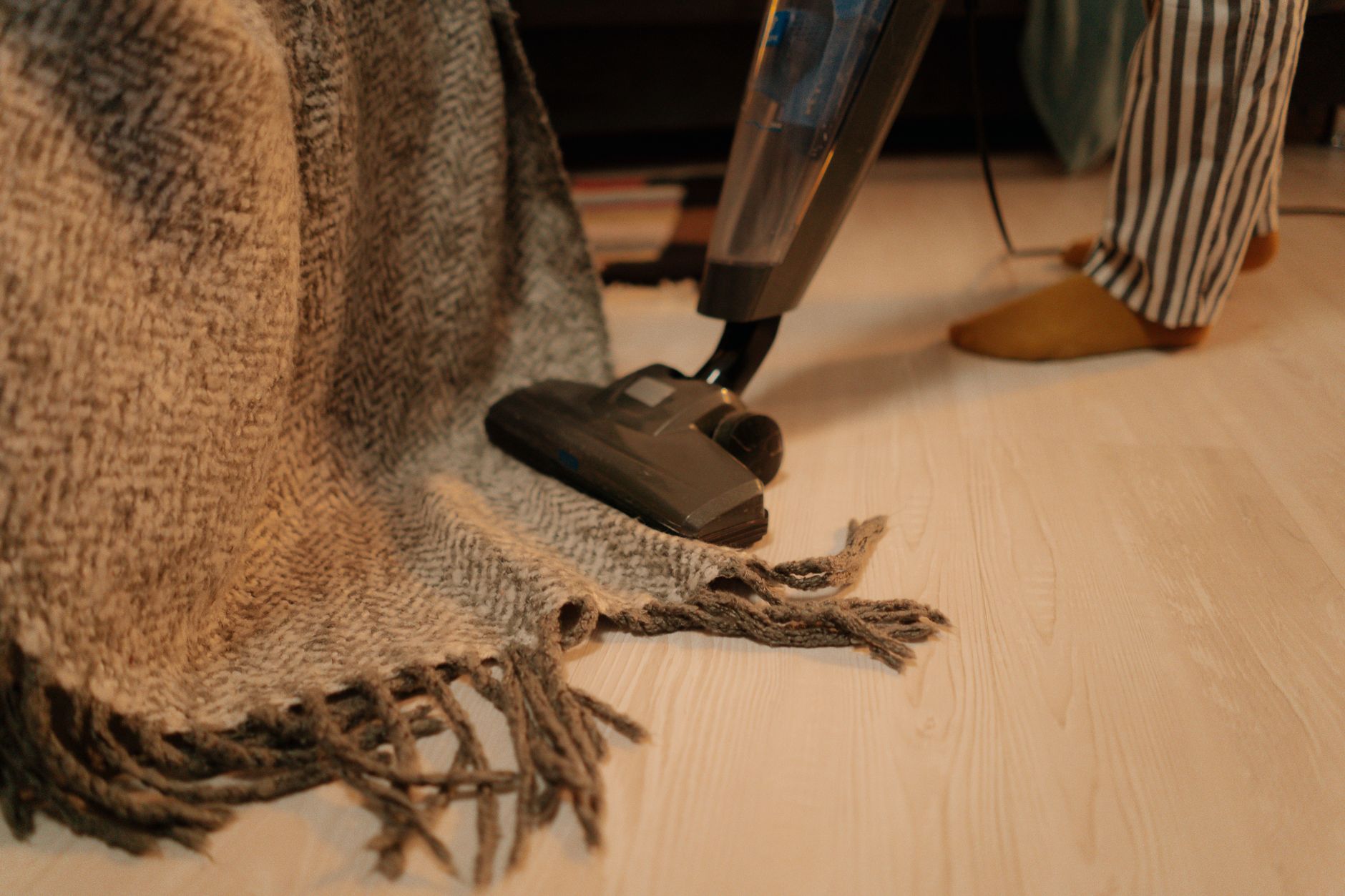
Maintaining spotless floors reinforces the importance of the no-shoes rule. Regular cleaning not only keeps your home hygienic but also demonstrates your commitment to a tidy environment. Experts recommend vacuuming hardwood floors weekly and mopping them every one to two months, depending on foot traffic. (goodhousekeeping.com)

For tile floors, sweeping or vacuuming once a week is advised, with mopping every other week. 

By adhering to these cleaning schedules, you set a positive example and encourage others to follow the no-shoes policy.

14. Stay Consistent with All Visitors

14. Stay Consistent with All Visitors
Enforce the no-shoes rule for all visitors to maintain home cleanliness and fairness.

Apply the no-shoes rule equally to friends, relatives, and service providers. Politely remind anyone who forgets, and be prepared with extras like shoe covers for repair workers. This consistency ensures fairness and maintains the cleanliness of your home. For more tips on managing service visits, consider reading this article from Consumer Reports: How to Prepare for Home Service Visits.

15. Adjust as Needed for Parties and Events

15. Adjust as Needed for Parties and Events
Enhance comfort and cleanliness by implementing a flexible no-shoes policy for gatherings.

During large gatherings, enforce the no-shoes policy in a way that’s reasonable—offer more slippers, create a larger storage area, or relax the rule for outdoor gatherings. Communicate clearly on invitations, so guests know what to expect. This approach ensures comfort for all attendees while maintaining your home’s cleanliness. (marthastewart.com)

Advertisement